
Rating: NR | Runtime: 90 minutes
Release Date: December 2nd, 2022 (USA)
Studio: Greenwich Entertainment / Peacock
Director(s): Geeta Gandbhir & Sam Pollard
Writer(s): Dema Paxton Fofang / Vann R. Newkirk II (inspired by writing of)
The dash makes all the difference.
It’s a great line that epitomizes Geeta Gandbhir and Sam Pollard’s documentary Lowndes County and the Road to Black Power because of what that place meant both to the freedom march from Selma to Montgomery in 1965 and the civil rights movement itself. Right there in the middle was “Bloody Lowndes”—a place that was 80% Black with zero registered Black voters. It was the “dash” between cities and ground zero for the evolution of a nationwide struggle for racial equality.
Using fantastic archival footage (so good that the filmmakers make a point to single out Jack Willis by name before the end credits to give thanks), a ton of new interviews with people who were there on the ground in the 60s, and informative context from historians, the story of how this county came together to fight for its own justice enthralls from the first scene. These are proud people who realized the ego of so-called outside “leaders” wasn’t going to be enough. As Ella Baker said, “Strong people don’t need strong leaders.”
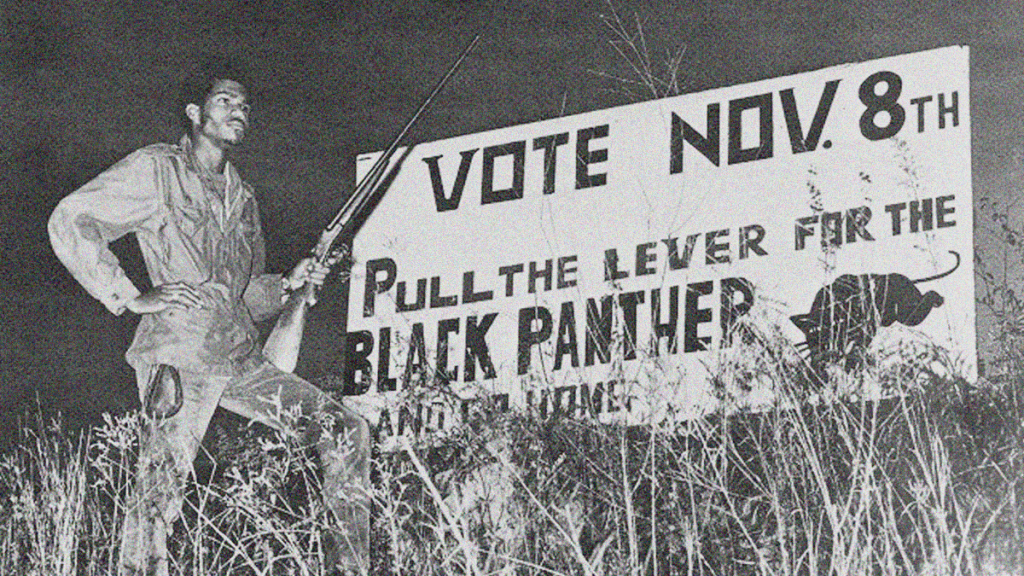
There’s a propulsive energy to the whole with plenty of smiles and laughs in the recounting of stories about Stokely Carmichael (his SNCC helped organize and bolster the fight already being waged in Lowndes) or the realization that tilting the scales meant running for office as well as voting for it. Between the origin of the Black Panther logo (in response to the National Democrats of Alabama having a white rooster with the words “White Supremacy for the Right”) and the first-hand accounts of just what Lowndes was up against, the film enriches that which we know in generic terms with the specificity only lived-in experience can provide.

Election night, Lowndes County, 1966.




Leave a Reply