
Rating: R | Runtime: 117 minutes
Release Date: December 19th, 2025 (USA)
Studio: Netflix
Director(s): Mark Obenhaus & Laura Poitras
So here’s what happened.
His community college teacher, upon reading his first essay, called him to his desk to ask what he was doing there since he obviously had the smarts and talent to attend a much more prestigious school. The answer was of course a complex one mired in familial strife, so Sy Hersh marks that moment as life-changing. He subsequently transferred, found journalism, and never looked back.
Directors Laura Poitras (who asked him to make this documentary twenty years ago) and Mark Obenhaus (who has worked with Hersh multiple times) use Cover-Up to commemorate the historical effect of his specific journalism and the integrity that went into reportage during an era when people still believed the job meant holding truth to power. If Nixon and Kissinger are name-checking you as a “son of a bitch,” you’re doing something right.
This is a strange film in that it wants to highlight Hersh’s achievements and learn about the legwork that went into them (with the accompaniment of his original files) while also trying to get him to divulge more than he’s willing to share. Some of that is asking him to talk about himself. Some to reveal sources. So, we get great stories reminding us about what we lost when for-profit news media embraced editorials above sourced reporting mixed with a combative tease of an explosive epiphany that never arrives.
The whole is therefore solid, but dryly matter-of-fact. It feigns “gotcha moments” that amount to little due to Hersh’s complete faith in his own morality and ethics to the point that we must wonder what the filmmakers’ purpose was for including them. Yes, he’s fallible like anyone else. He admits it and stands by decisions made in the moment. Hersh’s work ultimately speaks for itself and he has no desire to overshadow its potency with hindsight—a fact that doesn’t necessarily help the film’s ambition.

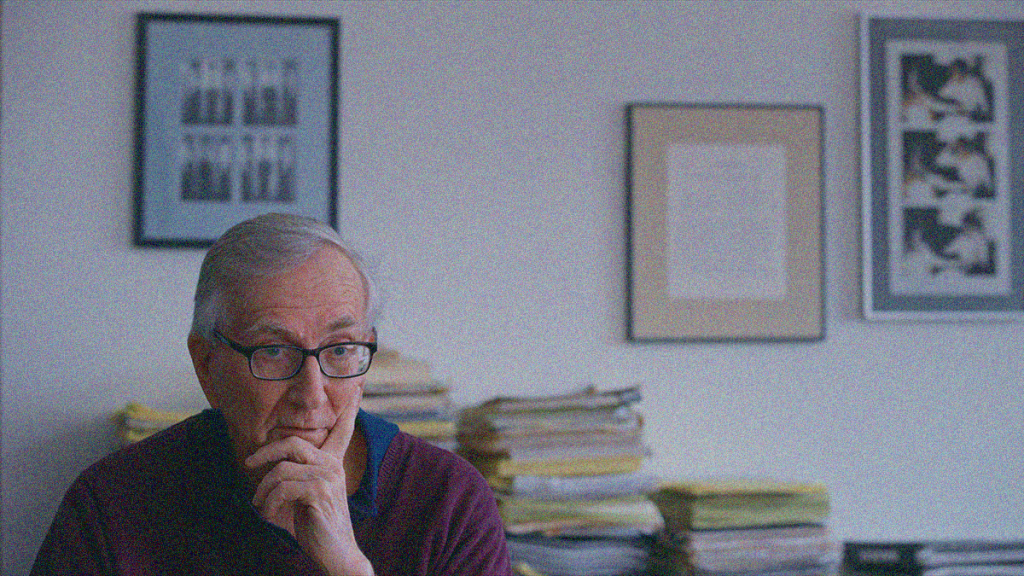
Seymour Hersh in COVER-UP; courtesy of Netflix.



 jaredmobarak.com
Leave a comment