
Rating: TV-MA | Runtime: 86 minutes
Release Date: October 18th, 2024 (USA)
Studio: Shudder
Director(s): David Moreau
Writer(s): David Moreau
This life no longer exists.
It’s Romain’s (Milton Riche) birthday and he’s preparing for the bash ahead by picking up his drug of choice from his dealer. He takes a couple bumps, tells his girlfriend (Laurie Pavy’s Ana) that she should head over to his place, and jumps into his father’s Mustang to speed back, shower, and party all night long. Since he’s already high, however, a fumbled lit cigarette forces him to quickly pull over so as not to burn the upholstery. And, in the time it takes to brush off the ash and laugh away his nerves, an unknown woman (Sasha Rudakova) with a bandaged head and fingertips arrives to sit shotgun. Cue the screams, blood, and chaos.
David Moreau’s MadS propels itself forward from there with sparse exposition in a technically sound one-shot that seamlessly shifts locations no matter what vehicle the current focal point uses to get there (car, bike, scooter, or feet). The stranger carries a recording device with her that talks about a patient and virus, but she cannot elaborate herself (presumably because her tongue has been removed). So, an already blitzed Romain is left smacking his face to wake-up en route to the hospital so the cops won’t discover he’s holding. But she doesn’t want to be saved. She wants to die. A few self-inflicted stabs to the neck should do the trick.
This is the set-up to a wild ride. It starts with Romain’s fear and paranoia leading him towards that party anyway, continues through Ana’s pursuit to find him after, and finally ends with their friend Julia’s (Luicielle Guillaume) attempt to escape. All three take the same drug before starting to witness crazy events like an armed militia mowing down innocent souls. They also start losing control of their mental faculties to aggressively and enthusiastically attack each other. What’s the cause? What can they do to stop it? Why are some people no longer able to die? Your genre know-how will need to discern the answers since the film concerns itself solely with the experience. That’s both its strength and weakness.
I love being thrown into this mythology to watch it rapidly devolve without the characters understanding what’s going on themselves. It adds a sense of urgency and mystery that allows us to let go of preconceptions and hypotheses so Moreau can simply have a blast wreaking havoc. But that lack of a true narrative coupled with the one-shot device does no favors insofar as engaging the audience’s investment. The thing about this technique that proves to be the downfall of so many who try it is the inability to remove those empty moments that other films edit out to tighten pacing and drama. Moreau does a nice job giving them purpose through carnage, but not enough to mask them being a means to an end.
So, no matter how much fun I had with the aesthetic and fresh take on a familiar horror trope, MadS cannot help but drag. Yes, it’s mostly a product of repetition (one character tries to figure out what’s happening, acts violently, and tries to survive before two different characters subsequently follow that exact trajectory themselves), but it’s also a result of Moreau creating a world rather than people. He uses his characters to flesh out his concept. They are pawns affixed to tracks so we can learn more about what’s happening and experience the escalating danger. We don’t care about them because they barely care about each other. It’s therefore great as far as the ride goes. There just isn’t much below the surface.
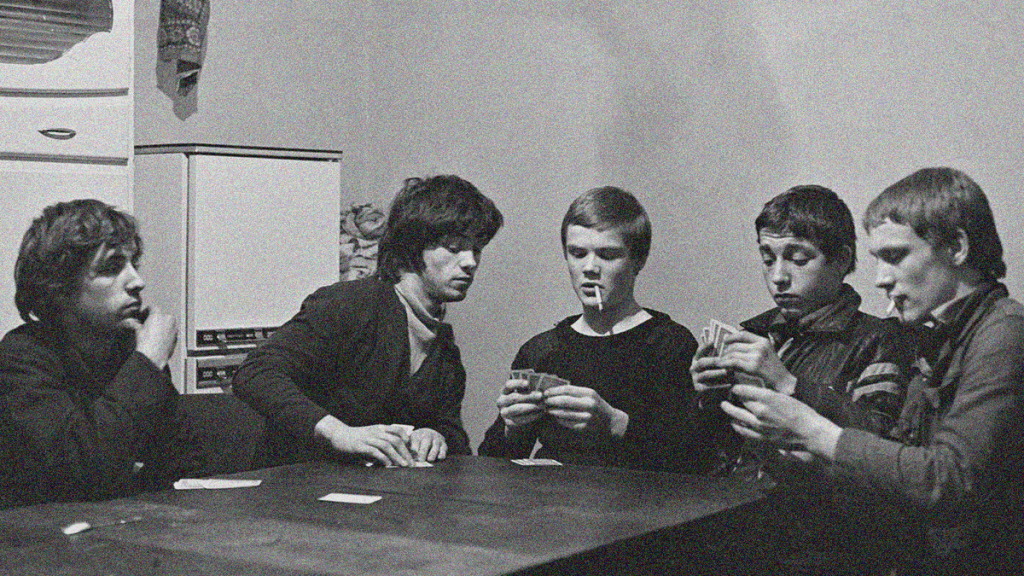
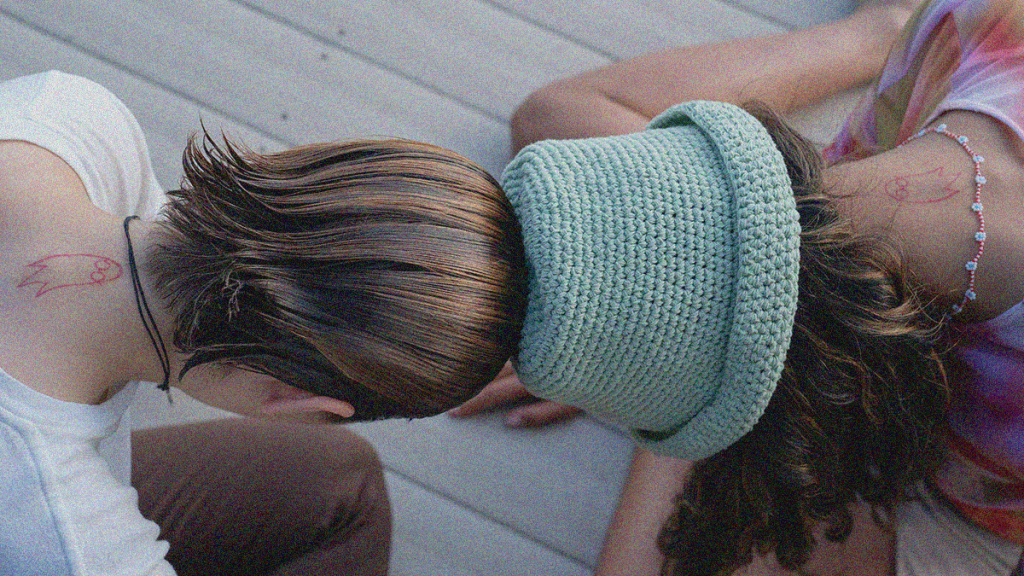
Luicielle Guillaume as “Julia” and Laurie Pavy as Anais in David Moreau’s MadS. Courtesy of Philip Lozano. A Shudder Release.

 jaredmobarak.com
Leave a comment