
Rating: NR | Runtime: 113 minutes
Release Date: May 15th, 2025 (Germany)
Director(s): Ali Samadi Ahadi
Writer(s): Mohammad Rasoulof
Why do your beliefs matter more than me?
A cardiac event while in prison has forced the Iranian government to give Maryam (Vishka Asayesh) a seven-day medical leave. Imprisoned for six years as a women’s rights activist, the stipulations are made clear: she isn’t to engage in any political activity in-person or online and any act that defies this order will be hung around her brother Nima’s (Sina Parvaneh) neck for accepting her custody upon release. What nobody knows, including Maryam herself, is that her husband Behnam (Majid Bakhtiari) and Nima have hatched a plan to smuggle her over the border to safety. Whereas many dissidents might jump at the chance, Maryam must decide if the freedom to be with her children is enough to abandon her country.
Those are her words, of course. There’s no reason she couldn’t continue fighting abroad. Leaving Iran wouldn’t therefore be abandoning anything. Staying, however, would mean abandoning Dena (Tanaz Molaei) and Alborz (Sam Vafa) again. Does one render her less of an activist? The other less of a mother? These are the questions she must reconcile as she weighs the “selfishness” of leaving her kids with the selflessness of the reason why. Because it’s not a black or white issue. It feels like one to Alborz and Dena because they’re young and worried for her safety, but Maryam and Behnam know that some things are bigger than family. That refusing exile to continue working towards a brighter future in Tehran is about them.
Ali Samadi Ahadi’s Seven Days (written by Mohammad Rasoulof) reveals the stakes inherent to such an impossible decision. Because Maryam could refuse the plan. She could enjoy seven days at her mother’s home, calling and helping those in need, before going back to prison once they’re over. But six years apart is just as long for her as it is for her kids. To see them again might just be the salve necessary to keep pushing forward. Or it could be the final heartstring tug that makes her flee. So, she chooses to hedge her bets by risking everything twice. Once to survive the frozen mountains and border patrol to see her children. Once more to traverse them again before returning without anyone knowing.
Being able to see both parts of this struggle is important because it ensures we understand the danger faced. A lesser person would endure the paranoia and fear of riding in the trunk of a car and passing off cell phones without knowing if she’s being scammed and never want to experience it again. And that’s before trudging through the snow on horseback while avoiding bullets. Before seeing the frozen corpses of those who didn’t make it. Most would thank their lucky stars coming out the other side uninjured and do whatever it takes to stay that way. Because until she applies for and gains asylum, Maryam still isn’t safe from deportation. Asking her family to postpone so she can potentially go back is therefore a lot.
So too are the inevitable confrontations with her son and daughter. Alborz is ecstatic to hug her. Dena is justifiably enraged that her mother could put them through these past six years by refusing to leave Iran when given the choice between jail and banishment. But Maryam is correct when she’s overcome by emotion and forced to pull herself out of the corner in which guilt has trapped her. If she were a man, no one would dare label her a bad father. It’s because she’s a woman that she’s conversely labeled a “hero” and a “disgrace.” That’s what happens when you’re born into a nation that strips away your autonomy with an education system whose teachers tell young girls to just drop out and get married.
What makes the dynamic so powerful, though, is that Dena has thankfully not had to suffer the same fate due to growing up in Germany. As such, she can yell at her mother and tell her she never should have had them if she was always going to put her ideals first anyway because she’s been lucky enough to not have to make that choice herself. The very reasons why Maryam stayed are the reasons why Dena can exclaim those things with such fiery certainty. Unfortunately, just because she isn’t completely wrong to say them doesn’t mean she is right to disregard the context behind her mother’s motivations. It’s why we truly don’t know what Maryam will decide until the moment arrives.
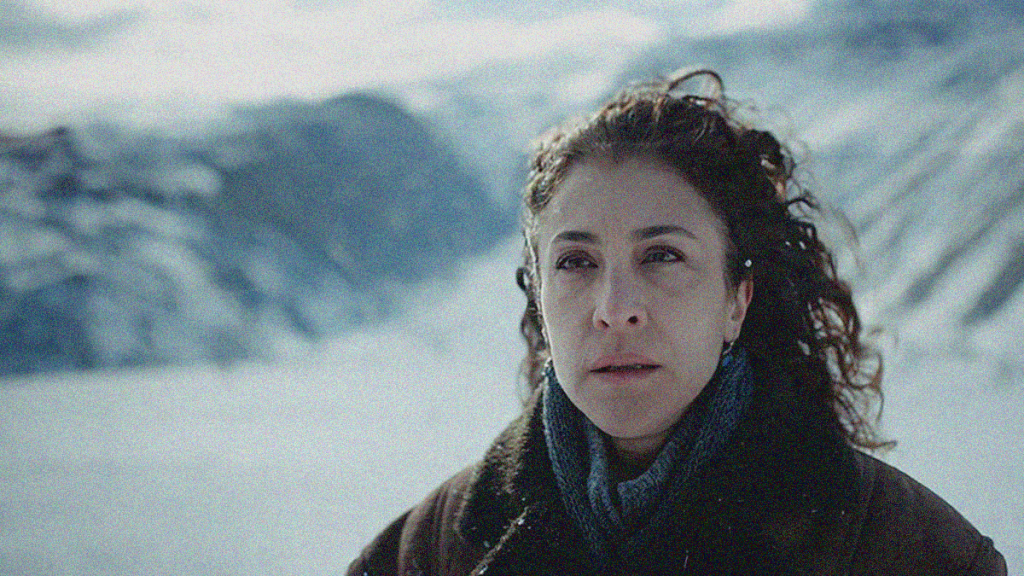
It’s a beautifully performed role from Asayesh that’s devoid of easy answers. We watch Maryam run for her life and hope she escapes. Then her coyote (Zanyar Mohammadi) tells her “Iran is proud of you” and we understand how important she is to a cause desperate for her return. Then we see her smiling with her family and want to scream at the screen to keep running with them to Europe that instant. And if we’re yo-yo-ing that bad, it’s a miracle Maryam doesn’t have a heart attack on-screen from the stress of knowing her choice will dictate the rest of their lives. What everyone who begs her to finally live for herself doesn’t realize, though, is that that’s exactly what she’s been doing these past six years.

Vishka Asayesh in SEVEN DAYS; courtesy of TIFF.



 jaredmobarak.com
Leave a comment