

Rating: R | Runtime: 114 minutes
Release Date: March 15th, 2024 (USA)
Studio: Saban Films
Director(s): Michael Keaton
Writer(s): Gregory Poirier
As far as you’re concerned, I’m Schrödinger’s murderer.
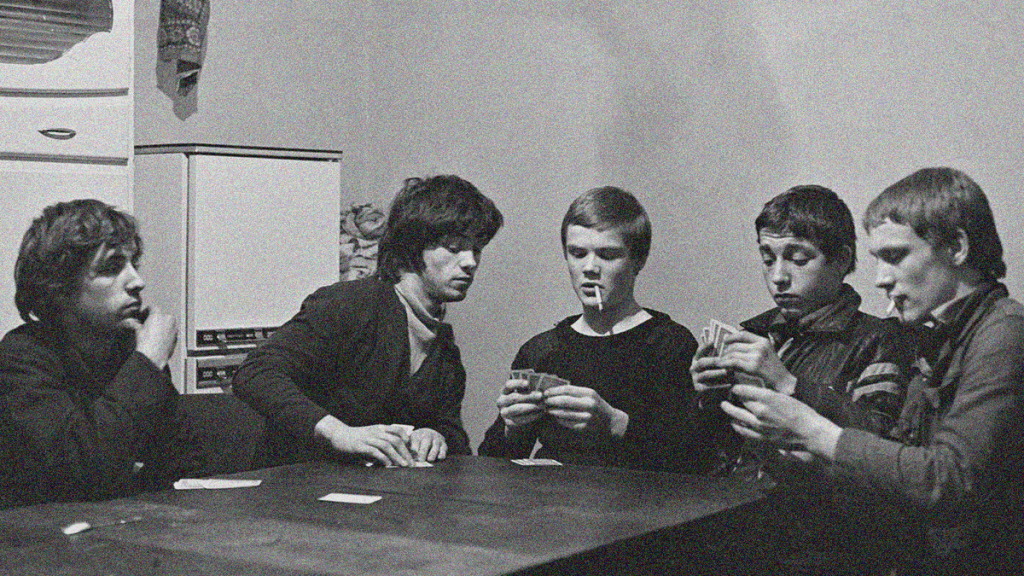
I’m not sure why Michael Keaton decided to shoot the first half of his latest directorial effort Knox Goes Away like a black and white noir, but it makes the first hour a bit of a slog. It’s all very stilted with long fade-to-blacks and brief scenes cobbled together in a messy edit that propels the plot without any polish. I think it’s meant to mimic how lead character John Knox (Keaton) is gradually losing his memory from dementia and thus everything he does must occur with a sense of clinical objectivity so that the time wasted from making things feel more organic doesn’t risk screwing up his plan, but it is somewhat exasperating.
Things do finally settle to deliver a final hour that works a lot better than you might initially believe considering the pacing and atmosphere don’t change. Looking back, I wonder if my problems with the first hour stemmed more from expectation than execution. Because you want this thing to pick up. You want to feel the suspense in John trying to help keep his estranged son (James Marsden) out of jail despite his failing health “accidentally” making it so he’s actually tying a bow on the lead detective’s (Suzy Nakamura) case. Keaton not allowing us to feel might therefore be a conscious decision.
Because the film isn’t about the crime. It’s about John’s final act. What is his plan? Is he screwing it up? The number of times his friend (and the only other person who knows what’s happening) Xavier (Al Pacino) calls to keep him on target makes us question whether those mistakes aren’t mistakes at all. And because John’s story exists in that uncertainty, Keaton isn’t able to manipulate things in ways that would normally supply action and excitement. Doing so would tip his hand one way or the other by either giving away the game or steering us in the opposite direction too forcefully to be believed. The monotony is key.
It’s still frustrating, though. No matter how smart you may think Gregory Poirier’s script is or how effective Keaton’s direction to obscure the truths within, you can still wish the whole were better. I do, however, think the way it unfolds and the ways in which John achieves his closure (albeit unorthodox and sometimes extremely lucky) make the journey worthwhile regardless. I honestly didn’t realize just how invested I was in these characters until the pieces start falling into place and Marsden, Pacino, and Marcia Gay Harden (as John’s ex) begin to really humanize what’s happening.
This is a meticulous man who rarely slips up. John Knox does not get caught nor does he do anything he didn’t mean to do … until now. So, how does he stay true to his character while being unable to maintain that precision? He must turn this disadvantage into an advantage. He must weaponize that which is currently making him vulnerable. Is it convenient that he’s able to do so with his final weeks of clarity for the son he hasn’t seen in two decades? Yes. Of course. So is the detective landing two cases that we know connect and therefore will soon know it too. But Keaton and Poirier do enough to render those conveniences into backdrop. What John does to outrun them is what matters.
Michael Keaton in KNOX GOES AWAY; courtesy of Danielle Mathias & Saban Films.



 jaredmobarak.com
Leave a comment