
Rating: NR | Runtime: 88 minutes
Release Date: September 7th, 2022 (Belgium) / March 24th, 2023 (USA)
Studio: Cinéart / Janus Films / Sideshow
Director(s): Jean-Pierre Dardenne & Luc Dardenne
Writer(s): Jean-Pierre Dardenne & Luc Dardenne
They don’t want us.
The moment Lokita’s (Joely Mbundu) boss tells her younger brother Tori (Pablo Schils) to wait in the hall while he “talks” to her, any notion of suspense or intrigue is lost. They have been dealing drugs for Betim (Alban Ukaj) to earn money to both send back home and reimburse Firmin (Marc Zinga), the African smuggler who brought them into Belgium by way of Italy. Tori has his papers being a persecuted refugee. Lokita does not.
She could get a real job if she did and help get out from under the exploitation of everyone around her, but the country will only grant them if she can prove Tori really is her brother. The fact Lokita won’t agree to a DNA test reveals the truth just as easily, though. So, when Betim offers an extra 50 Euros to “do what you did last week” before zippers and belts are heard, what choice does she have?
That’s about the extent of the drama for which Jean-Pierre and Luc Dardenne build Tori and Lokita upon. These are good kids who would do anything for the other, trapped under the thumb of bureaucratic red-tape, blackmailers, and criminals leveraging what little they’re willing to offer for high-risk work and sexual favors. The only question the film therefore presents us is whether we think their compassion will be enough to save them from these oppressive forces.
Will they be able to deal with the time apart that is necessary to work off the debt fake papers would create? Can they shoulder even more risk by secretly stealing from Betim to make more money in less time? Or will the tightening vice become too much to bear en route to a miserablist climax we’ve seen countless times before?
At 88-minutes, the film doesn’t even have the room to pretend its exploitation is saying anything of substance. And by moving so fast to reach its obvious conclusion, it never really gives us any room to wonder about where things are going to make the sell-line of it being a “heart-stopping thriller” hold weight. I felt zero suspense. Zero surprise.
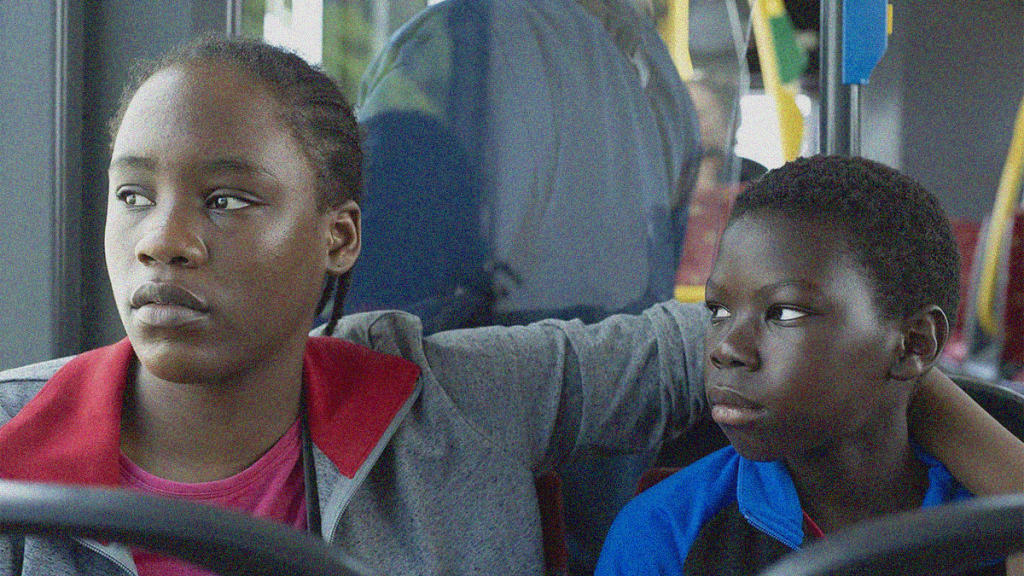
All I felt was a constant sense of dread—knowing how things were destined to play out and biding my time in the hopes it wouldn’t suddenly turn graphic too. I’ll give the Dardennes credit there since they do at least refuse to showcase the abuse they put these characters through on-screen. They let Mbundu and Schils (both are great) tell the story via emotional distress in the aftermath instead. It’s two promising Black kids being crushed by the gears of an apathetic and empowered white European society … again.

Joely Mbundu and Pablo Schils in TORI AND LOKITA; courtesy of Janus Films.


 jaredmobarak.com
Leave a comment