
Rating: TV-MA | Episodes: 10 | Runtime: 30 minutes
Release Date: January 13th, 2023 (USA)
Studio: Apple TV+
Creator(s): Tony Basgallop
Accidents happen.
I wonder how much of what “Servant” is came from its creator Tony Basgallop and how much from its executive producer/showrunner M. Night Shyamalan. Because the latter doesn’t get a “created by” credit despite seemingly being the one calling the shots after saying he planned for six seasons before finding a way to do it in four. Not that it matters, of course. Whoever was responsible for what becomes moot when you step away and judge the work as a whole. And that’s especially true for a show that one deems a resounding success. Some of my favorite episodes were actually written and/or directed by Ishana Shyamalan, so don’t count her or any of the genre stalwarts who had their hands in the production out. They hit the ground running and ultimately brought it all home too.
You can get a sense of Season 4’s tone right from the start thanks to the mostly one-woman show that is “Pigeon” with Leanne (Nell Tiger Free) surviving an onslaught of Church of Lesser Saints pursuers hoping to end what they see as a rule of ungodly tyranny within the Turner (Lauren Ambrose’s Dorothy and Toby Kebbell’s Sean) home and the world at-large. It’s the perfect introduction back into the game with the stakes dialed up to eleven after how things were left last season. It both reminds us of how powerful Leanne has become and how she’s officially embraced it after spending the previous chapters conflicted about her place. That scared young woman is gone now. She’s ready to maim and kill whoever dares threaten to get in the way of her happiness within the Turner brood.
Except that they have become threats as well. Sean has hit his breaking point. He’s seeing now that everything he did to bring his wife back from the brink of psychosis is being undone by the cost of the Faustian deal made to do so. Dorothy is done with Leanne for obvious reasons (I won’t spoil the end of Season 3) and her brother Julian (Rupert Grint) is conversely fully on-board with her after his sexual relationship with Leanne has blossomed into something more. Can Sean get him to switch sides? Can anyone witness what’s happening around them and not believe that Leanne has supernatural powers beyond just bringing the Turner’s baby Jericho back to life? I don’t think it’s a surprise Shyamalan gravitated to Paul Tremblay’s Knock at the Cabin last year. This season and it share a lot.
Most of the episodes are about deflection and betrayal. Dorothy hires live-in nurses to combat Leanne’s stranglehold on “helping” (Barbara Kingsley and Denny Dillon’s Bobbie and Bev are a delight). Roscoe (Phillip James Brannon) and Uncle George (Boris McGiver) make memorable returns. And the homeless acolytes protecting Leanne from the CLS are always in the background to assist as well as disappear. Because Leanne’s strength is growing exponentially. At a certain point she must discover that she doesn’t need them to fight her battles anymore. That she doesn’t want them to fight. We’re talking about control now and whether the person she’s becoming is turning her into everything that guarantees what she wants (to live happily ever after as a surrogate Turner) will never come to fruition.
As often happens, the penultimate episode “Awake” is the showcase (M. Night directs). It delivers the moment we have been anticipating since the beginning: a confrontation with the truth. And not about Leanne. This was never a show about her or what she can or can’t do. It’s always been about grief. And denial. And guilt. So, putting Ambrose (who’s never been better), Kebbell, and Grint together to finally discuss what happened a year ago (to them) is ripe for emotion and drama. But that’s not to say the scene afterwards with Free (shot with impeccable blocking to ensure everyone is in frame regardless of being cropped/blurred/reflected) isn’t equally or more potent. In the end, everyone must make a choice, but it’s Dorothy’s that matters most.
There are a lot of unforgettable moments throughout the ten-episode run. It sometimes feels like it’s moving too fast, but slowing things down would demand a whole separate season to compensate. The speed is thus part of its success—especially once apocalyptic potential arrives. It lets us push through narratively while the writers and directors sprinkle in a slew of farewells for side characters whether by death or hopeful dreams (I’ll just say Tony Revolori continues to be an MVP in limited screen time as the much-needed purity of heart that balances the otherwise selfish and entitled cowards trying to escape the reality of their own failure). That duality ensures the conclusion is effectively bittersweet, bringing this pitch-black Mary Poppins to a close with torrential rain, brimstone, and a dash of well-earned forgiveness.

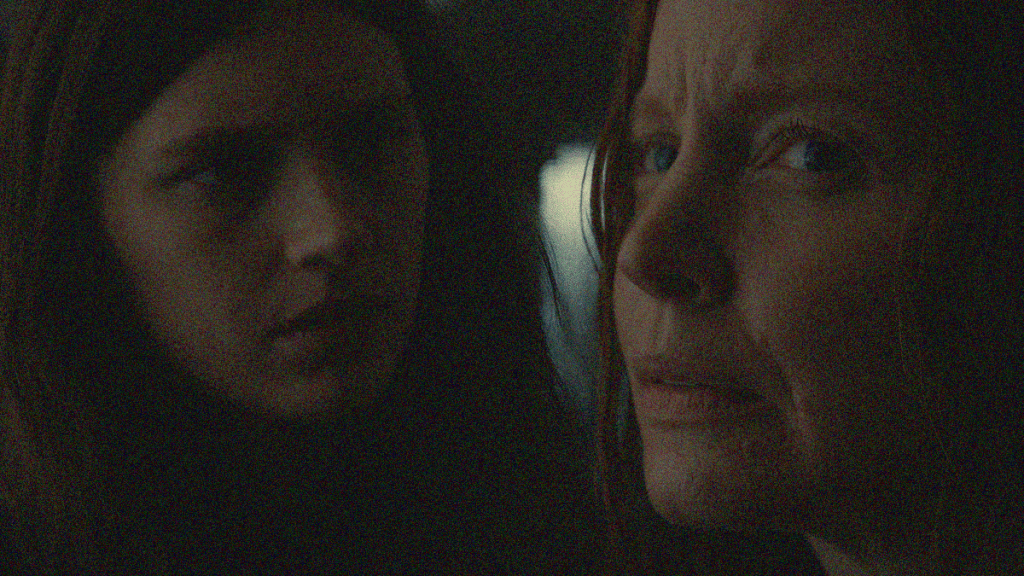
Nell Tiger Free and Lauren Ambrose in SERVANT, now streaming on Apple TV+.





Leave a Reply