Rating: NR | Runtime: 105 minutes
Release Date: September 7th, 2022 (France) / March 17th, 2023 (USA)
Studio: Les Films du Losange / Music Box Films
Director(s): Lola Quivoron
Writer(s): Lola Quivoron
I was born with a bike between my legs.
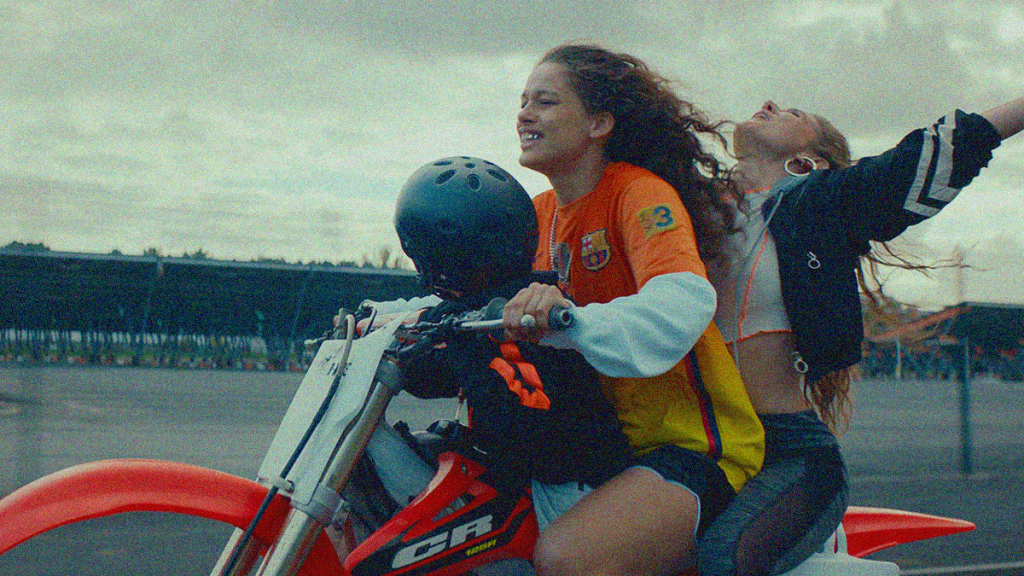
After blowing off work to steal a motorbike (conning suburbanites who sell online by preying upon their toxic masculinity, letting them hold her purse for collateral once they stop laughing at the notion of a “girl rider” before she speeds off while flipping them the bird), Julia (Julie Ledru) hits up a street rodeo to watch and join in with the men doing tricks and weaving down the road.
They all yell for her to get lost. To stop getting in their way. To not “hurt” herself. They’re gatekeeping their macho venue to impress women by rejecting her sight unseen as ugly, not good enough, a waste of space. Everyone but Kaïs (Yannis Lafki) and Abra (Dave Nsaman), the latter going so far as to shut the others up and teach her a trick.
It’s the perfect introduction to this underground world of gearheads and criminals who are too insecure to imagine a woman could be anything but a trophy. Why should they when their role model and boss Domino (Sébastien Schroeder) runs things from jail and forbids his wife (Antonia Buresi’s, who also collaborated on the script, Ophélie) and young son (Cody Schroeder’s Kylian) from leaving their house unless they’re visiting him?
Julia doesn’t want that for herself—in any of its many forms. She wants the freedom of riding and a community of similarly amoral miscreants to survive on adrenaline rushes for fun and work. As a member of Domino’s B’Mores, she can exist the way she’s always wanted.
Lola Quivoron’s Rodeo takes us into this fantasy and exposes the complexities inherent to its creation. Allies won’t always have Julia’s back. Public and private life will diverge to reveal the priorities and fears of those standing in her way and those wishing her courage rubs off to escape their own socially dictated prisons of identity.
It’s a powerful journey into the subconscious as well as chop shop danger. Ghosts haunt Julia’s dreams as foreboding specters of a dark fate on the horizon just like the enemies staring daggers at her during the day (Junior Correia’s Manel and others see her as a threat, their inferiority complexes exploding with each new success born out of her actions).
This world is everything Julia has ever wanted and yet its built to become her destruction. It must considering what she stands for as a beacon of independence—a chameleon gliding back-and-forth over lines of gender, sexuality, society, and motorcycle culture. Kaïs and Ophélie are inspired by her. You can read these dynamics as romance if you want, but it’s more than lust or love.
It’s about being seen. It’s about finding a purpose beyond the status quo and the existential crisis born from being a part of a family that only fosters equality amongst those who are forced to serve. Julia puts ideas in their heads that they have the power to elevate above those roles of inferiority they’ve been conditioned to accept.
And there isn’t a single inauthentic moment. Partly because of the use of non-professional actors (the riders, including Ledru, whom Quivoron took stories from to help shape the character she would ultimately perform, were selected with chemistry trumping acting experience) and partly the intimate lens in which it’s all captured.
We feel the speed of the bikes and risk of the stunts. We sense the frustration and anger when Ophélie struggles to curb Kylian’s tantrums or when Manel peacocks his way into provoking Julia’s wrath. There are few surprises and in turn zero contrivances. Everything evolves naturally as an effect of each player’s motives and true selves. Some cower when confronted. Others pounce. And that’s when we see what’s real. That’s when we discover what family truly is.
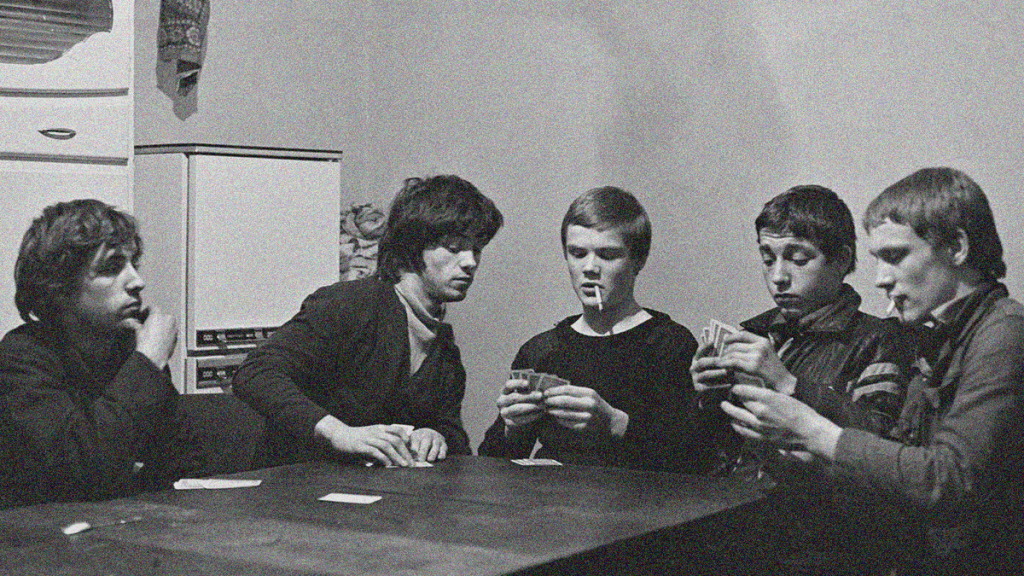
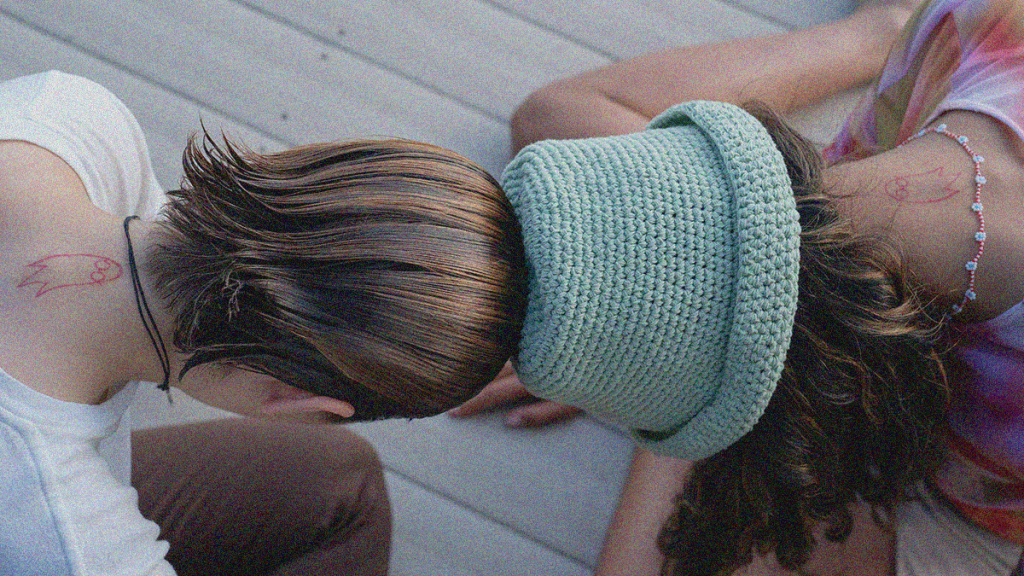
From left to right: Cody Schroeder, Julie Ledru, and Antonia Buresi in RODEO. Courtesy of Music Box Films.
 jaredmobarak.com
Leave a comment