
Rating: PG-13 | Runtime: 104 minutes
Release Date: November 2nd, 2022 (Belgium) / December 2nd, 2022 (USA)
Studio: Lumière / A24
Director(s): Lukas Dhont
Writer(s): Lukas Dhont & Angelo Tijssens
Are you two together?
The second half of Lukas Dhont’s Close is definitely where it shines. I don’t want to ruin what occurs at the midway point (even if you have to be blind not to expect it), but its placement pretty much ensures that what comes before is destined to lose any autonomy outside of that result. Because this whole endeavor about dealing with “friendship and responsibility”—as the synopsis reads—demands a tragedy.
It needs to drive a wedge between inseparable thirteen-year-olds Léo (Eden Dambrine) and Rémi (Gustav De Waele) to allow us to see what it is that results and what can be learned from the aftermath. So, we wade through the tension that adolescence and bullying ratchets up. We watch Léo pull away to stem the abuse and Rémi drown due to the way in which it’s accomplished. We await the inevitable to finally see what Dhont and co-writer Angelo Tijssens have in store.
It’s worth that wait in my opinion. Yes, those first forty or so minutes are somewhat inert as they blatantly set-up this fracturing bond, but the payoff ensures the sacrifice is worth the effort. Rémi is rendered little more than a pawn as a result, but that’s okay since the less we truly know about what is going on in his head beyond the obvious impulse to fight back and attempt to repair what has suddenly been lost the better.
It allows the uncertain depression that follows to become the focal point by letting Léo and Rémi’s parents (Émilie Dequenne’s Sophie and Kevin Janssens’ Peter) twist in the wind as they reconcile their complicity with their confusion. Can they simply move on? Can they accept thier place in fostering this unspeakable act? Can they forgive themselves?
There’s a reason then why what follows this inevitability is mostly mundane in its content if not its context. Capitalist society doesn’t allow for a handful of gears to shutdown the whole machine. Adults must go back to work. Kids must go back to school so they can continue being indoctrinated by the system that demands they always go back to work.
Léo pushes himself further towards the violence of his newfound hobby of hockey—embraced initially to help steer attention to his tight bond with Rémi away from lazy jests by classmates questioning whether they’re a couple. He buries his head in his parents’ farm work (Léa Drucker is a standout as Mom), desperately trying to take his mind off the thoughts bouncing around his head. And all he really wants to do is go back to the way things were.
Close is therefore very subtle in its messaging. It lets Léo have an outburst against one of his bullies in a way that doesn’t explicitly place blame upon him, but lets us read between the lines to understand the emotional turmoil. That will probably turn some people off, thinking that nothing is going on. But know that there’s so much happening beneath the surface at all times.
The way Léo and Sophie gulp down their water to avoid the subject that cannot be avoided forever speaks volumes in and of itself. It’s why you have to give Dambrine a lot of credit for his performance. Dequenne is fantastic, but he holds his own in the silences and whispers and thousand yard stares. Because grief isn’t just an adult response. It’s a human one that children aren’t absolved from needing to confront or dismantle. Pretending otherwise is a monumental mistake.

Nominee:
International Feature
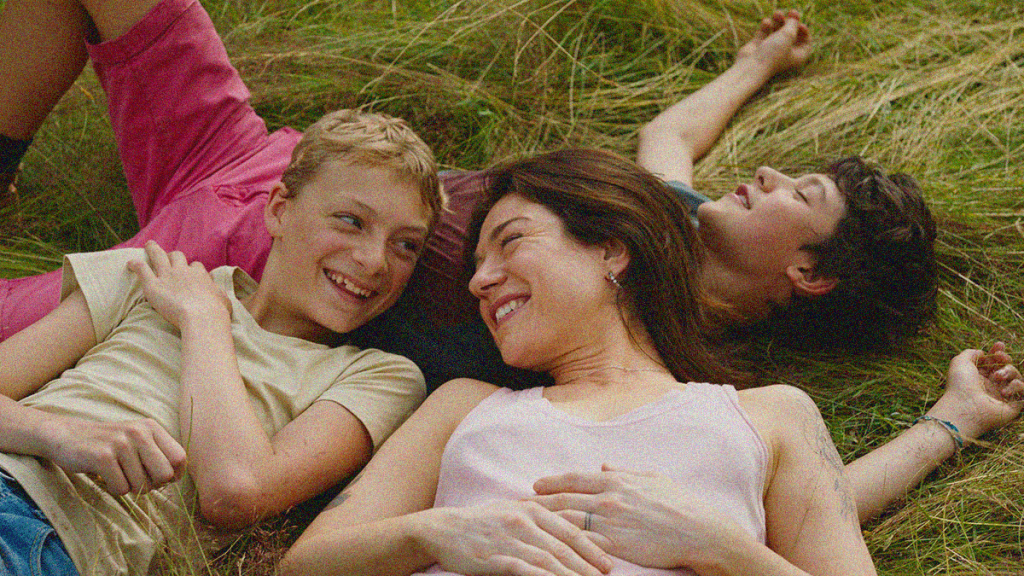
(L-R) Eden Dambrine, Émilie Dequenne, Gustav De Waele; courtesy of A24.




 jaredmobarak.com
Leave a comment