

Rating: R | Runtime: 109 minutes
Release Date: October 31st, 2025 (Taiwan) / November 28th, 2022 (USA)
Studio: Netflix
Director(s): Shih-Ching Tsou
Writer(s): Shih-Ching Tsou & Sean Baker
My Devil Hand did it.
Twenty-one years after co-writing/directing recent Criterion Collection title Take Out with Sean Baker, Shih-Ching Tsou has released her solo directorial debut in Left-Handed Girl. The idea was planted way back then after she told the Oscar-winning filmmaker about the time her grandfather told her not to use her left hand anymore because it did the work of the Devil. The two were back in Taipei a few years later to complete a first draft, but it wasn’t until premiering Red Rocket at Cannes in 2021 (with Tsou producing) that they finally secured financing.
There’s a lot going in with the film as it centers a trio of women upon their return to the city after having lived the past decade-plus in the countryside. Shu-Fen (Janel Tsai) is looking to start over by opening a noodle stand in the night market as a means to get back on her feet after paying off the debts of her ex-husband once he ran away. The hope is for her college-aged daughter I-Ann (Shih-Yuan Ma) to help, but their relationship is rocky at best. She’d rather work elsewhere and make her own money to do as she pleases.
That leaves little I-Jing (Nina Ye). She spends her days in school and nights at the market serving plates for her mother and running amok while befriending every other merchant in the area. They all know her by name and watch out for her knowing Shu-Fen is busy at work herself. Johnny (Teng-Hui Huang), at the next stand over, even recruits the young girl to help pitch his latest “miracle” product akin to late-night infomercials on TV. Everything is going well until a phone call brings added clarity to their familial friction.
Because it’s not just Shu-Fen and I-Ann who struggle to get-along. It’s also Shu-Fen and her own mother (Xin-Yan Chao). Money is the main issue between them, so Shu-Fen’s ex-husband proves a big part of it too. We sense the disappointment each mother holds for her respective daughter and the not so legal ways in which they all attempt to get by financially—more cause for none of them to really have any legs to stand on when chastising the other. And there’s I-Jing listening with curiosity yet being told to stay quiet when the adults are talking.
She becomes lost in the chaos—a truth that initially allows her to simply have fun without needing to worry about the drama surrounding her. Things inevitably change, however, when the women become so busy that I-Jing is forced to spend time with her antiquated grandfather (Akio Chen). This man is so stuck in his ways that he forbids his granddaughter from using her left hand so as not to let the Devil in. But his refusal to contextualize why fosters the opposite result. He teaches I-Jing that deeds done by her left hand aren’t her responsibility.
This is a child who needs a watchful eye at a moment when sister, mother, and grandmother are too busy trying to carve their own slice of joy within a world beating them down. I-Jing’s ignorance to her grandfather’s rule therefore turns her into a rather successful thief insofar as letting her left hand do the dirty work so her conscience remains clear. Except, of course, that the adult talk about money and commerce everyone presumes she ignores ensures her family’s stress is projected onto her too. Maybe it’s all her Devil’s hand’s fault.
What at first seemed way too many moving parts that split our attention between the four main women on-screen to the whole’s detriment does eventually gain clarity and purpose as everyone converges at Grandma’s sixtieth birthday celebration. We have a much better sense of the culture where it comes to financial responsibility and inheritance by then. I-Jing’s thievery leads to a crucial act of fate. And the impending revelation of a secret (or two) finally gives shape to the numerous strains of animosity shared between the characters.
It’s only when everything is aired out that Shu-Fen and I-Ann can appreciate why they both made the choices they did. The unspoken frustration and anger that caused the latter to act out and the former to feel defeated become two sides of the same coin that only served to hurt themselves rather than each other. And the wider the chasm got between them, the farther away I-Jing was pushed. There are a couple moments where the child’s independence almost leads to grave tragedy before inadvertently saving the day. All because they refuse to be vulnerable.
That’s the lesson in the end. Tradition and responsibility are complex concepts and our actions don’t occur in a vacuum. They affect everyone else too whether Shu-Fen’s loyalty to an undeserving man or sisters resigning themselves to the fact the only money they’ll ever see from their parents is for their weddings if a brother stands to inherit the rest or a child being exposed to death, accidents, and crime without the tools to understand it. Who we are should mean more than who we “should be.” Mistakes happen. It’s how you respond that matters.

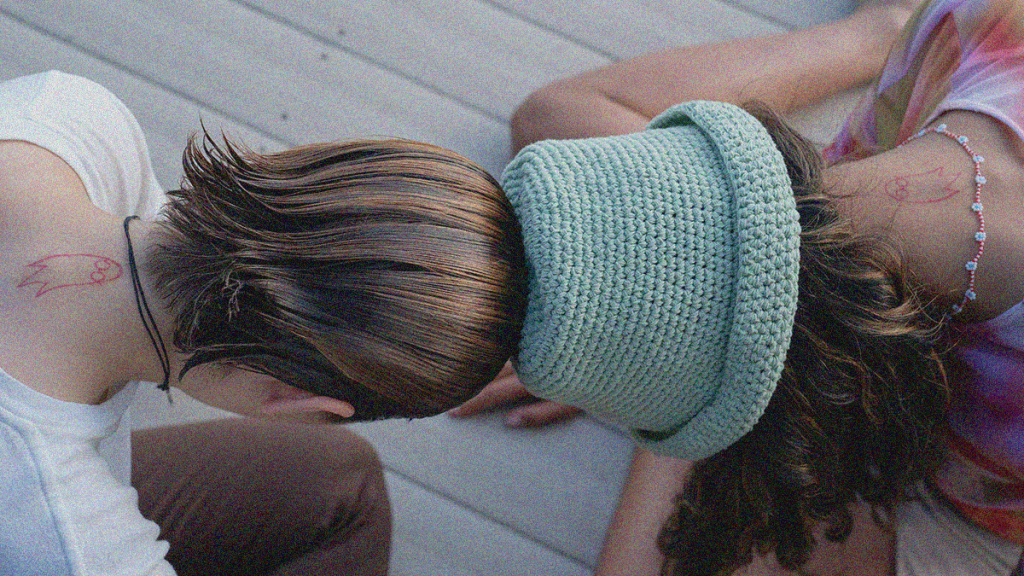
(L-R) Nina Ye as I-Jing and Shih-Yuan Ma as I-Ann in LEFT-HANDED GIRL. Cr. LEFT-HANDED GIRL FILM PRODUCTION CO, LTD © 2025.


 jaredmobarak.com
Leave a comment