
Rating: NR | Runtime: 90 minutes
Director(s): Shane Belcourt
Writer(s): Tanya Talaga & Shane Belcourt
They called him a terrorist. I call him a warrior.
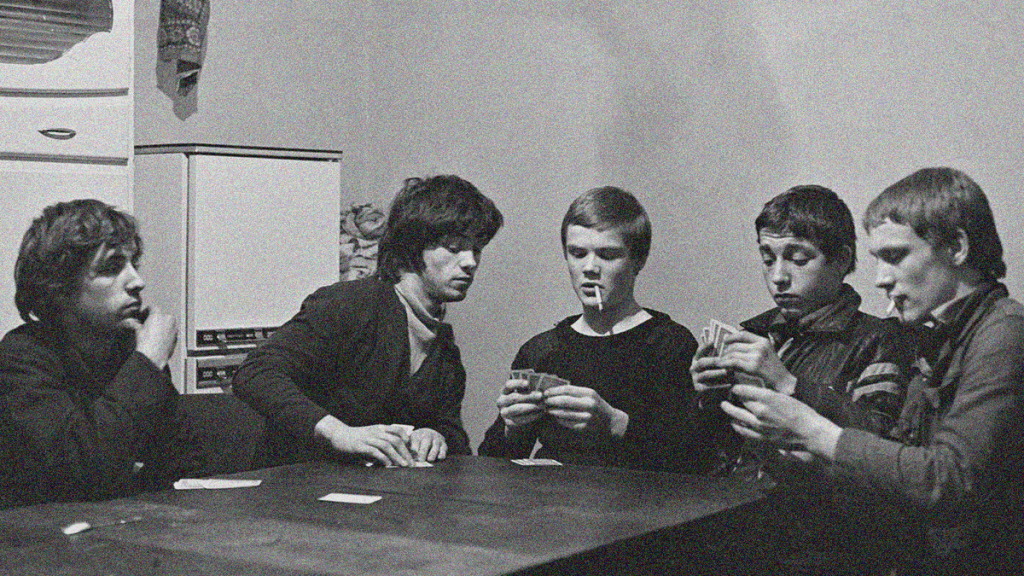
Anicinabe Park in Kenora, Ontario was the site of a ninety-day Indigenous youth occupation in 1974. Led by Louis Cameron with assistance from the American Indian Movement, these armed “warriors” suggested all the tourists who were camping in the area leave because they wouldn’t be responsible for what happened to them once the Ontario Provincial Police inevitably arrived. Their demand was for the park to be given back to the Ojibway people, and they were willing to stand their ground regardless of death.
It just goes to show how little Canada cared about the plight of their Native population that only eight minutes of footage from the event still exists today. That would obviously change soon after with the Native People’s Caravan moving from Vancouver to Ottawa and the establishment of an embassy once it ended in a violent clash provoked by local law enforcement. Fast forward to the past decade’s revelations of mass graves at sites of old residential schools and you can easily track current activism back to Anicinabe Park.
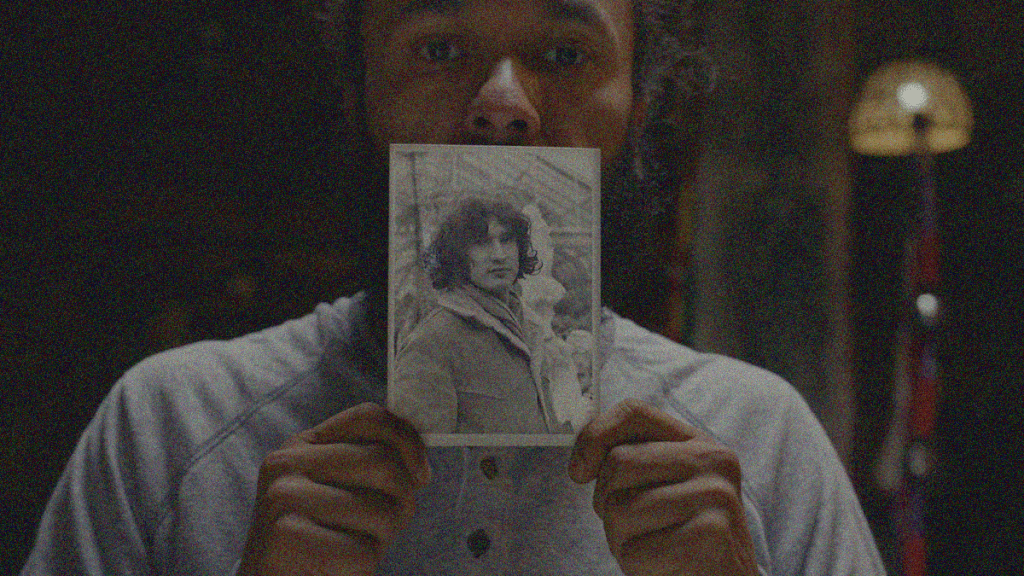
Despite sparse video, however, some participants are still alive today. With new interviews of their experience (both those in the park and those helping from outside) and an unpublished manuscript written by Cameron found by his son Tyler (who narrates from it), director Shane Belcourt and co-writer Tanya Talaga’s Ni-Naadamaadiz: Red Power Rising creates a definitive timeline of the event and its impact. Yes, the nation’s eyes are now open to the racism and abuse it inflicted, but, as one interviewee notes, present-day Kenora isn’t all that improved.
The story is uncensored as far as shedding light on why an armed protest was staged. From a published paper about “accidental” deaths involving Indigenous citizens to descriptions of the KIB (Kenora Indian Beaters), violence was pervasive. It was therefore only a matter of time before the Six Nations organized a response since the prevalent statistic cited of having just a fifty-fifty chance of living past age twenty-eight truly meant they had nothing to lose. And regardless of any substantial change, taking back their voice was worth the attempt.
It’s an often-harrowing account. Tyler Cameron breaks down a couple times reading his father’s descriptions of atrocities and other subjects’ nonchalant recounting of their near-death experiences both proves their dedication and just how close things got to all-out bloodshed. Talk about city hall meetings with white Canadians readying themselves for vigilante justice only fueled the uncertainty around whether anyone would survive … not that the participants’ lives weren’t forever turned upside down by surveillance and arrests anyway.
An historian is included for context, but Ni-Naadamaadiz: Red Power Rising is mostly first-hand recollections and archival interviews when not focused on Tyler and his brother going through Louis’ documents. Their mother Lynn Snead also plays a big role as someone who was there and who understood her ex-husband’s motives and demons. Their words and the protest rhetoric really provide a sense for why land acknowledgements are so important. Because this isn’t just property to Native people. It’s a piece of their identity. Their soul.
Much like the stand taken in 1974 to ensure TV cameras couldn’t turn away, films like this ensure history won’t be keep being swept under the rug. It’s about speaking truth to power and also refuting the propaganda of a police system still quick to dismiss Indigenous deaths as accidents or drunken happenstance than investigate a potential hate crime. And it’s about memorializing heroes like Louis Cameron who acted with conviction and spoke with thoughtful purpose. Because it wasn’t violence that made him an enemy of the state. It was his words.

Tyler Cameron holds up a photo of his father Louis in NI-NAADAMAADIZ: RED POWER RISING; courtesy of TIFF.


 jaredmobarak.com
Leave a comment