

Rating: NR | Runtime: 90 minutes
Director(s): Goran Stankovic
Writer(s): Goran Stankovic, Ognjen Svilicic, Dejan Prcic & Maja Pelevic
There are no shortcuts.
The men are stripped naked and yet their clothes still aren’t spared from the vomit and excrement born from the brief period of withdrawal spanning their family member putting them in a car and their arrival at Father Branko’s (Boris Isakovic) Serbian Orthodox monastery-backed rehabilitation center. His care is a last resort for many after the normal rehab centers haven’t worked. Because these men are more or less put under Branko’s full guardianship. To escape is to be arrested and sent back. To be freed takes years and his permission.
Rumors abound about the treatment within those walls, but the patients on the inside embrace the routine of hard work and determination because they feel their addiction wash away. Mionica (Goran Markovic) has been there three years already when Dejan (Vucic Perovic) shows up, so he’s the perfect steward to get this newcomer up to speed. It’s never fast enough, though. Everyone finds themself exposed to their drug of choice and an inability to relent. So, Branko bends them over a table and swings his shovel to drive home his point.
Dejan has his turn early in Goran Stankovic’s Our Father. Someone new turns up and he’s tasked with taking his clothes to the laundry. That’s where he finds a foil wrap of heroin and instantly jumps into action to sneak it to the bathroom and inhale. Branko collects everyone in the dining room, hands the shovel to Mionica for failing to watch over his ward, and prefaces the ensuing violence with everyone’s favorite hypocritical concession that it’s “hurting me more than you.” It’s brutal. It’s traumatizing. And … it might just work.
Therein lies the complexity of corporal punishment. What seems effective in a very isolated environment could simply be a matter of site-specific conditioning. When one man rules autocratically with an iron fist, those in his care learn the elasticity of his violence and steer clear for the duration of their stay. This is Branko’s method, and the pain is unforgettable. So, one plus one always equals two within the confines of this world. But what about the real world. Branko isn’t your shadow out there. You might leave, but your fear of his wrath stays.
It’s therefore easy to get caught in the moment. Three years without relapse for Mionica? Proof of success. The abuse hurting more than withdrawal? Addiction beat. This cause and effect thinking ultimately becomes a feedback loop, though, because the tactic’s efficacy is only ever judged against itself. Add Branko’s religious pontifications about giving his soul to save theirs and you buy into the propaganda. You victim blame yourself, agreeing you deserved it and there’s no alternative. And you even fight to protect it.
This is where the “inspired by true events” portion comes in as Stankovic was captivated by an incident that occurred a decade ago in Serbia wherein a video of just such abuse was leaked to the media. It created a firestorm of debate that occurs regularly here in the United States considering we’ve given our entire carceral system to for-profit capitalists that yearn for a high recidivism rate to keep their shareholders happy. Some say these addicts need “tough love” to reform. Others explain how it’s an unsustainable model built to fail the victim.
Our Father really leans into the coercion tactics necessary for the profiteering autocrat to keep power. I’m not even saying Branko doesn’t truly want to help these men. He simply wants to preserve his outlet for wealth and sadism more. So, he starts doing favors for those positioned to save him, brainwashing them to reinforce the good he’s accomplished through his bad acts. Those he harms end up being his most vocal cheerleaders. After all, Branko is the only person giving them respect. He’s the only one who won’t toss them aside and they owe him for it.
You can sense where it’s all going due to the movement of certain pieces on the board, but the result is no less effective. This was always going to end in tragedy. Oppression either gets defeated from within or goes too far to continue being ignored by those on the outside. What hurts most, however, is the moment of awakening for these unwitting cogs in the machine. No longer must they only contend with their addiction. They must now also confront their complicity in their own oppression. They’ve never been so lost.
Isakovic is terrifying as Branko. As a priest he’s a successful orator who knows just which buttons to press. A raised voice forces everyone to look at the ground and cower in anxiety while an outstretched hand is like Christmas morning. It’s a character perfectly positioned to shed light on just how far ethnostate’s go to absolve their terror by wielding it in God’s name. Perovic, Markovic, and the other actors exude strength and vulnerability, but they’ll always be puppets with invisible strings. Because real evil is making you believe you’re the monster.

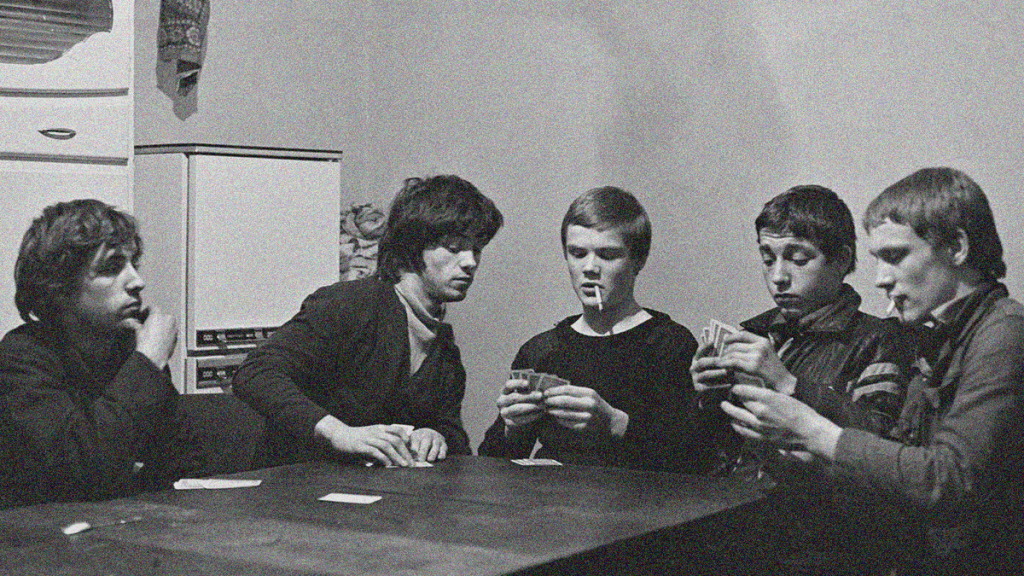
Vucic Perovic in OUR FATHER; courtesy of TIFF.


 jaredmobarak.com
Leave a comment