

Rating: NR | Runtime: 85 minutes
Director(s): Zahraa Ghandour
Writer(s): Zahraa Ghandour & Gladys Joujou
Together, we watched you disappearing.
It begins as a search for a missing friend. Zahraa Ghandour remembers the day Nour was taken from her aunt Hayat Mohsen’s home, but never fully understood why the event occurred there or where she was taken. They were both ten at the time, so context from whispers was difficult to parse. What proved most confusing, however, is that Nour’s family remained living down the block. How could one person disappear without the rest? How could a family forsake their child and never look back?
As Zahraa grew older, the truth of a woman’s plight in Iraq materialized as more than obscured sensory recollections like the birth of boys being met with celebration and the birth of girls earning nothing but silence. You start to learn about the graveyards of unknown women killed and discarded without recourse due to cultural permission and government condonation (if a woman’s murder is committed by a male relative, it is deemed lawful). And then the shelters for orphaned girls that are operated as prisons.
Flana—the Iraqi word for those forgotten souls—unfolds as a letter from Zahraa to Nour about her journey towards these realizations. Her narration positions her old friend as her audience as though a plea to the cosmos for her spirit or body to listen and know someone still remembers. That someone still cares. Because Zahraa almost met a similar fate herself with a mother wondering whether to give birth during Operation Desert Storm considering she already had two other children. As it was, Zahraa spent most of her youth with Hayat.
We eventually discover what occurred that fateful day via Hayat’s own memory, but there are still no answers for what happened next. Zahraa instead seeks to piece together what might have unfolded by visiting those shelters, combing through documents, and interviewing other women who survived a similar plight. That’s where Layla/Natalie fits in. She too was ten when her father kicked her into the street, forcing her to choose between prison and an orphanage. Little did she know at the time that there wasn’t really much difference.
Layla/Natalie tells her story as a surrogate Nour. Hayat remembers a time before the American wars when women were free to roam and be their own people. And we discover just how uncertain a baby girl’s life proves upon birth amidst archaic notions of gender and honor. It’s not necessarily anything new for those versed in the history of women’s rights injustices in the Middle East, but there’s purpose to hearing it all again considering the personal touch Zahraa brings to the project. It’s therefore less of a lesson than a reckoning.
That intimate touch is both a boon and hindrance since it doesn’t go deeper into these exposed realities beyond their anecdotal place in Zahraa’s search. It’s a fantastic in-road for the topic that audience members might think stops too short insofar as educating about the why, how, and what’s next. That isn’t Flana‘s goal, though. It seeks to remember and succeeds via the profundity of that act alone. So, your experience will vary depending on your documentary tastes since Zahraa does deliver on her promise. It just might not satisfy your expectations.

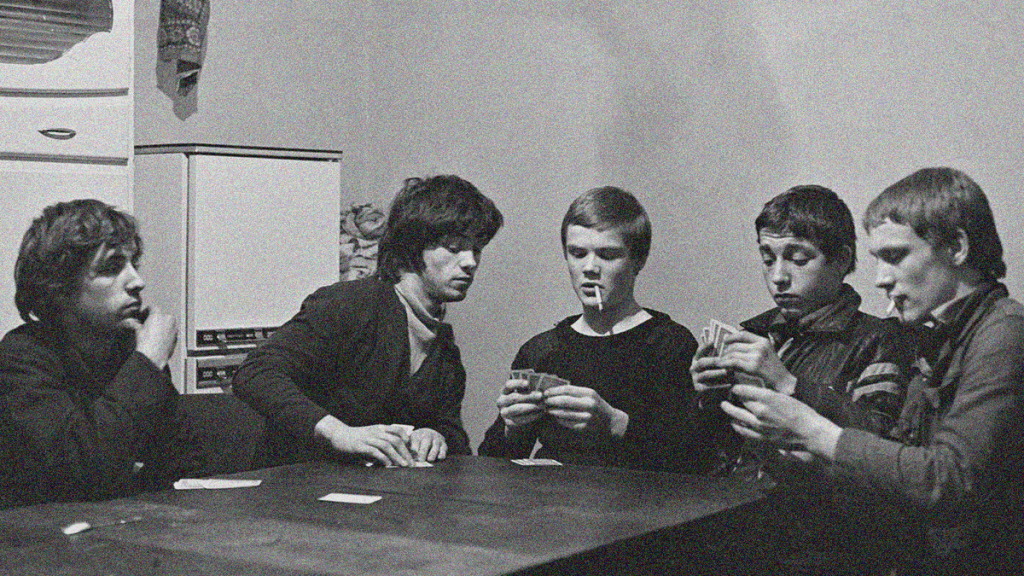
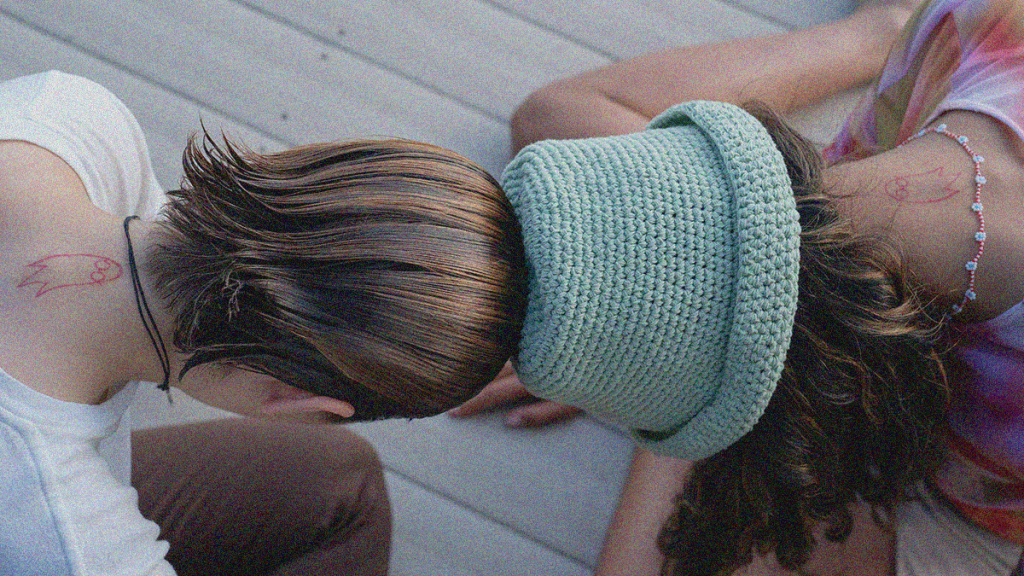
A photograph from FLANA; courtesy of TIFF.

 jaredmobarak.com
Leave a comment