
Rating: NR | Runtime: 83 minutes
Director(s): Darlene Naponse
Writer(s): Darlene Naponse
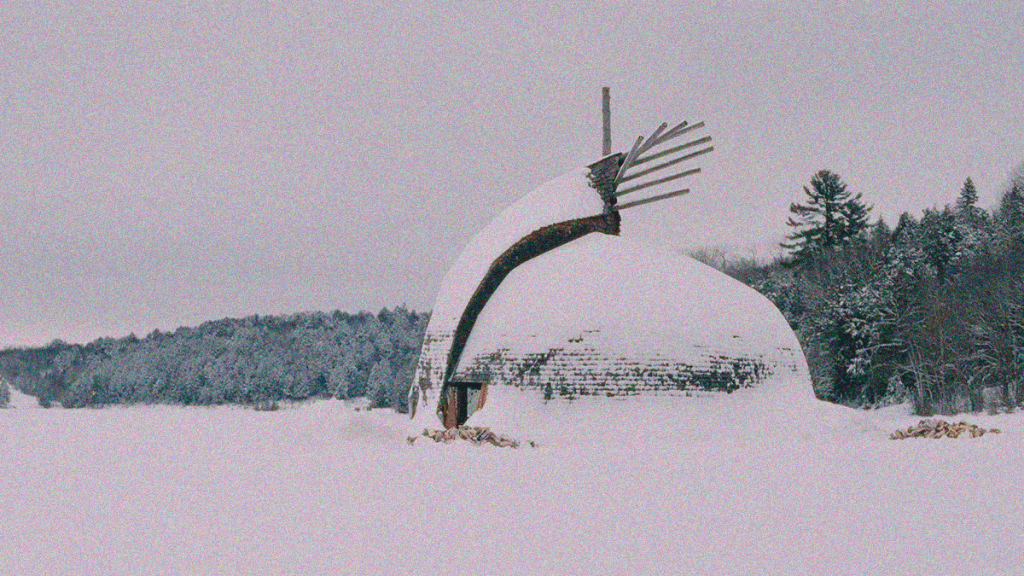
More than a love letter to home, Darlene Naponse’s Aki is a document of identity through the land (for which the title is an Anishinaabemowin translation) that holds her community. Completely set within the Atikameksheng Anishnawbek territory (previously known by its colonizer name Whitefish Lake First Nation), the film takes us through the seasonal cycle of growth, frost, and rebirth by wielding an omniscient view of nature, animals, and people enjoying their lives.
As Naponse explains: “We are not defined by what has been taken from us. We are defined by our endurance, our relationships, our laughter, and our responsibilities to each other and to Aki, this land that gives us life.” So, she strips away the outsider influence to depict Native stories through trauma and loss and reclaims the territory’s reality of harmonious existence with all living things. Hunting. Playing. Dancing. Laughing. All to the melodies of Cris Derkson’s cello.
This is a wordless production save ambient chatter during scenes of gathering (a powwow, children playing hockey, etc.), so understand going in that the point is to experience rather than learn. We gaze over the gorgeous landscapes and follow as inhabitants check maple syrup taps, skin a rabbit, or prepare for celebration. Beyond kids waving at the camera during a game or a table of Bingo players pointing towards us, there’s no direct interaction with the cinematic process.
Naponse even pretends the lens is a bee in one scene, bobbing through foliage before ultimately finding the insect floating nearby. There are a few instances of split-screen too wherein half the frame is of a stream, tree, or flower and the other half zooms in closer to catch its textures. The only aspect of Atikameksheng Anishnawbek that doesn’t find the camera lingering is evidence of industrial infrastructure. Those moments leave our view as quickly as they arrived.
Is Aki going to be for everyone? No. I’m not even sure it was for me. But you cannot deny its success at capturing the ethos of a place and people through unhindered images of life running its course. It’s worth the attempt to let its beauty wash over you because its subject is deserving of exposure on its own terms removed from stigma, tragedy, and interference. This is the Anishinaabe. Humanity, nature, art, culture, food, sport, earth—it’s all one and the same.

A scene from AKI; courtesy of TIFF.


 jaredmobarak.com
Leave a comment