

Rating: NR | Runtime: 83 minutes
Release Date: April 24th, 2026
Studio: Greenwich Entertainment
Director(s): Cole Webley
Writer(s): Robert Machoian
I grabbed everything I could.
The obvious question: Why Nebraska? Martin (John Magaro) has no answer for his two young children (Molly Belle Wright’s Ella and Wyatt Solis’ Charlie) or us when piling them into the car to leave Nevada. We try to guess, but the logical reasons don’t quite make sense because the kids would know—or at least have a passing recollection to reach epiphany—if they had relatives there. So, once you rule out family, you move towards career opportunity or low-cost of living. And the longer director Cole Webley and writer Robert Machoian go without telling us, the more we realize it’s less about the destination than the journey.
Don’t worry, though. You’ll get an answer, even if it doesn’t arrive until the screen fades to black via some expository text appearing to provide context. Just know that the location and title of Omaha is used for a practical purpose—heartbreaking, but practical nonetheless. This is the state of existence we have been enduring and continue to endure in twenty-first century America. One where a tragedy such as the untimely illness and death of a loved one makes it so any survivors are punished. That’s the real setting: a widower and his two children struggling to stay above water during a moment of US economic crisis. Martin literally sees no other choice but to get in the car and go.
The result is a transfixing road trip of pure emotion—good and bad. It’s a trio trying its hardest to keep the youngest (Charlie) occupied and entertained while the harsh reality of what’s happening gradually comes into focus for his sister. Because, even if she doesn’t know the why, Ella is perceptive enough to understand something is wrong. She hears her father talking to her dead mother at night. She sees him holding back tears and the desperate attempts to keep himself together when unthinkable actions are made necessary. It’s okay, though, because they still have each other. Despite all the sorrow, Ella knows they can overcome anything as long as they remain together.
Hearing Webley and Magaro talk after the Sundance premiere screening about their young stars was great because they really relayed the fact that you must sometimes let spontaneity and authenticity take the wheel. Rather than force these kids to stick to the script, they realized their energy and excitement is what mattered most. So, Webley decided to focus on story beats instead of dialogue. He sought to put Wright and Solis into situations where they could succeed while also helping to propel the narrative forward. Performance became paramount because it must in a story like this where plot is less about where things are headed and more about where they are now.
It leads to some fun conversations (“Would you rather eat a booger or lick a poo?”), a ton of shoplifting (Who’s going to stop a six-year-old from taking a few toys with him?), and an infinite wealth of heart. And while Wright and Solis are the catalysts, you must give Magaro a ton of credit for fostering the latter with an unforgettable turn as a father without options. The pauses necessary to collect himself before answering his kids with vague “maybes” knowing where this road leads when the rest of us don’t (unless you’re already aware of Nebraska’s significance during 2008—I was not). The guilt, remorse, and frustration he feels and sometimes projects upon them. The poignant delivery of his final line. I hope people don’t sleep on Omaha for Magaro’s acting alone.

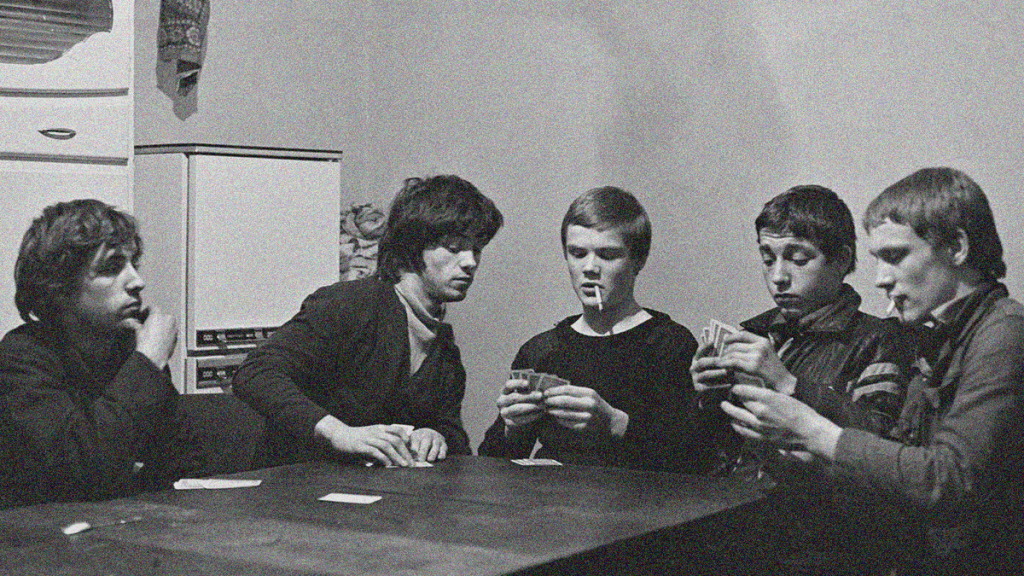
John Magaro, Molly Belle Wright, and Wyatt Solis appear in OMAHA by Cole Webley, an official selection of the 2025 Sundance Film Festival. Courtesy of Sundance Institute.


 jaredmobarak.com
Leave a comment