

Original version posted at The Film Stage. Has been/will be revised.
Besides my annual trip to the Toronto International Film Festival—at which I mostly saw films that have not yet been released stateside—I went to the movie theater twice this year. As someone who used to go at least once a week (and up to four or five times a week during the real MoviePass heyday, before everyone jumped on their unsustainable price drop), coming to grips with that number is tough.
It happened for many reasons. COVID. Time constraints. The ease of truncated theatrical windows. And the worsening theatrical experience itself since one of those two visits (both press screenings) demanded three restarts before finally figuring out the correct aspect ratio. Don’t get me wrong: I’m glad they kept working to get it right because that film appears on this list, but you can’t tell me it would have been fixed had it been a regular public screening. You want me to deal with that truth and the constant cellphone lights and talking? Sorry, but no.
When will the industry do something to win me back? Can they? Because I don’t think it’s an issue of people not wanting to go. It’s the reality that the pure theatrical experience of zero distractions and respect for the art has shifted to our homes. I don’t like it. Especially considering there are a couple locally-run indie theaters here that do care. It’s simply impossible not to admit my optimal viewing space is now my living room—a place where I have full control.
Let’s face the truth of not living in a city like NYC or LA too: I wouldn’t have been able to watch three quarters of my list in a theater anyway. A) Big studios monopolize screens and make it so smaller titles can’t budge in. B) Studios don’t theatrically screen for the press here at all anymore. C) Many awards contenders are held back months and thus can only be seen via screeners. Home viewing is apparently what Hollywood wants now. Apologies to the artists, but I’ve been forced to give in.
I do miss that communal feeling of reverence and hope it somehow returns. In the meantime, though, I’m going to ignore the noise about the theatrical experience dying and focus on the fact that cinema as an art form continues to thrive considering eight of the below top ten titles only needed a television to touch my soul. I think the bigger issue is our collective incuriosity to move outside our comfort zones and the reality that theaters have been forced to transform themselves into rowdy blockbuster event facilitators. That’s great for the escapists looking for fun. I’m glad you have a place to go. It’s not for me.
I’d rather watch that obscure foreign film, break free from my algorithm to test uncharted waters, and subscribe to MUBI and the Criterion Channel knowing cinematic history is currently (and effectively) being housed online. I might be too old to deal with the nonsense stemming from a widespread cultural disintegration of public decorum, but I’m not too old to adapt and move with the changing tide to find my sanctuary elsewhere. And I’ll never be too old for the movies themselves.
Honorable Mention:
(click poster for review)
#25
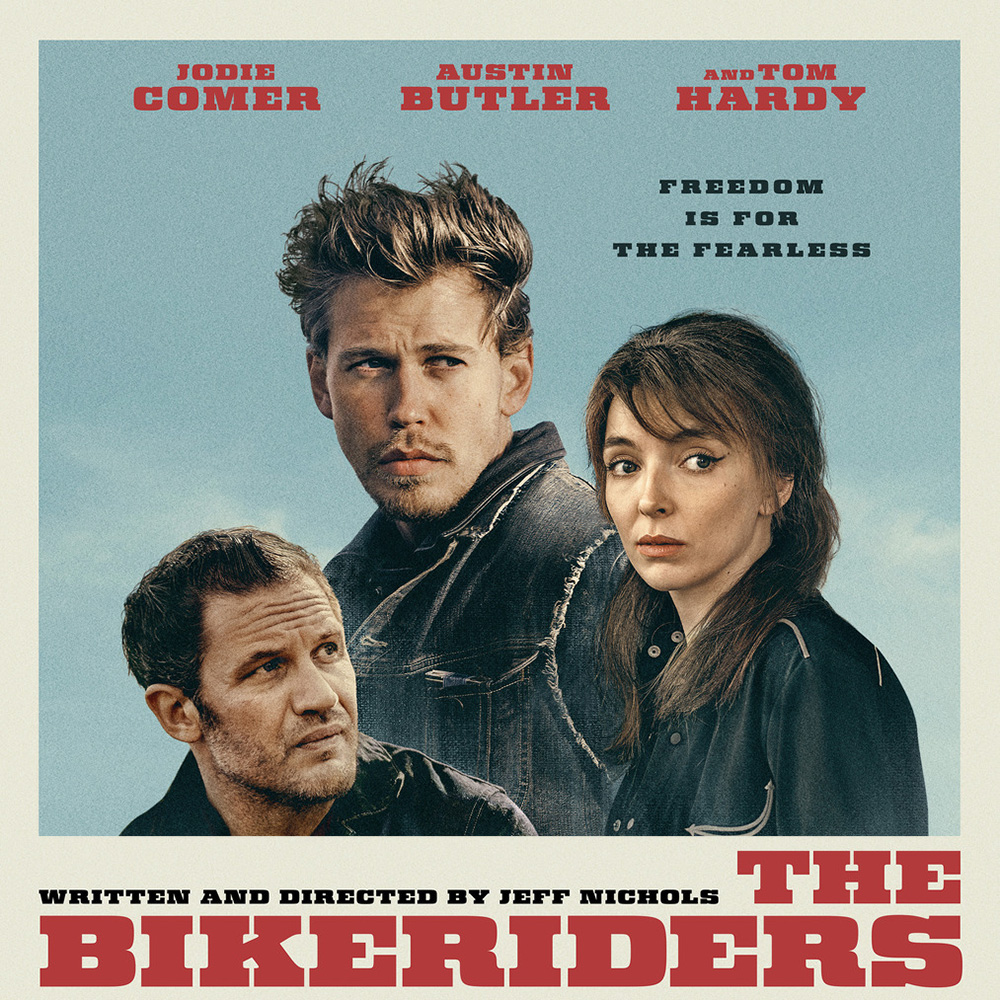
The Bikeriders
Jeff Nichols
#24
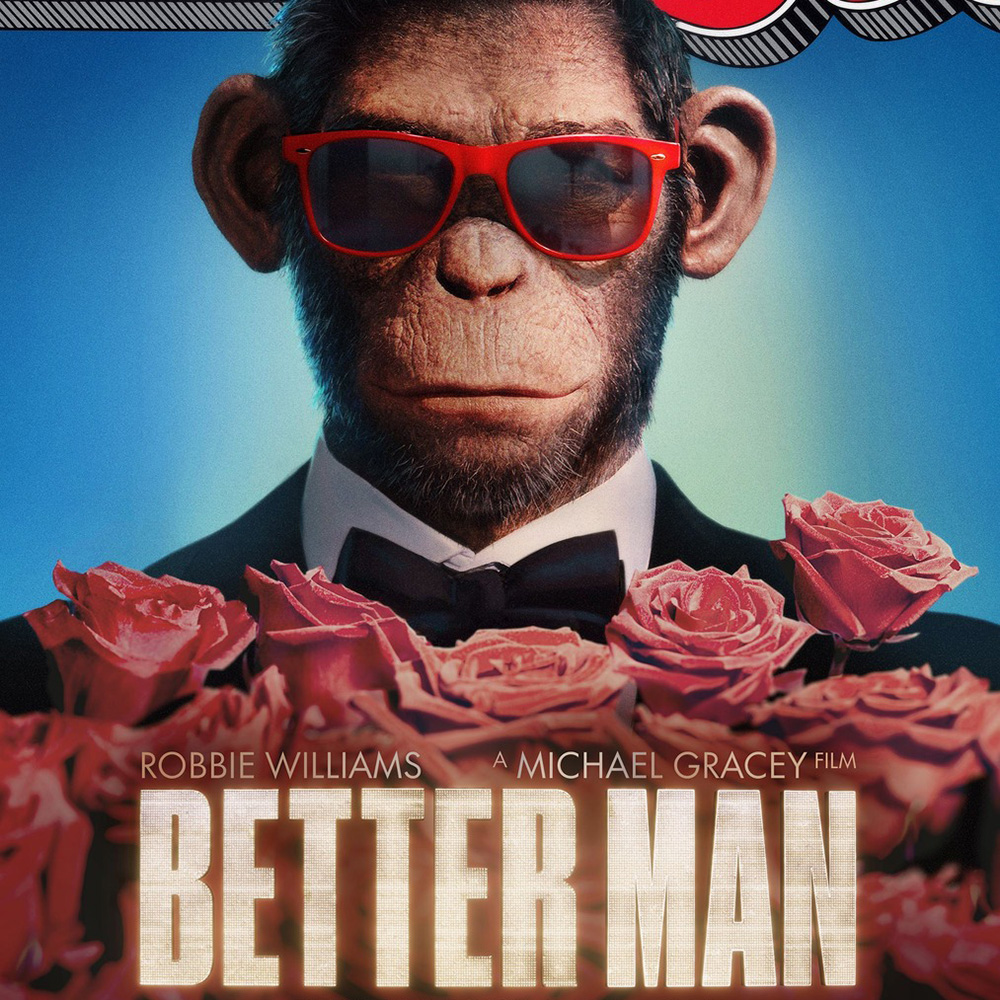
Better Man
Michael Gracey
#23
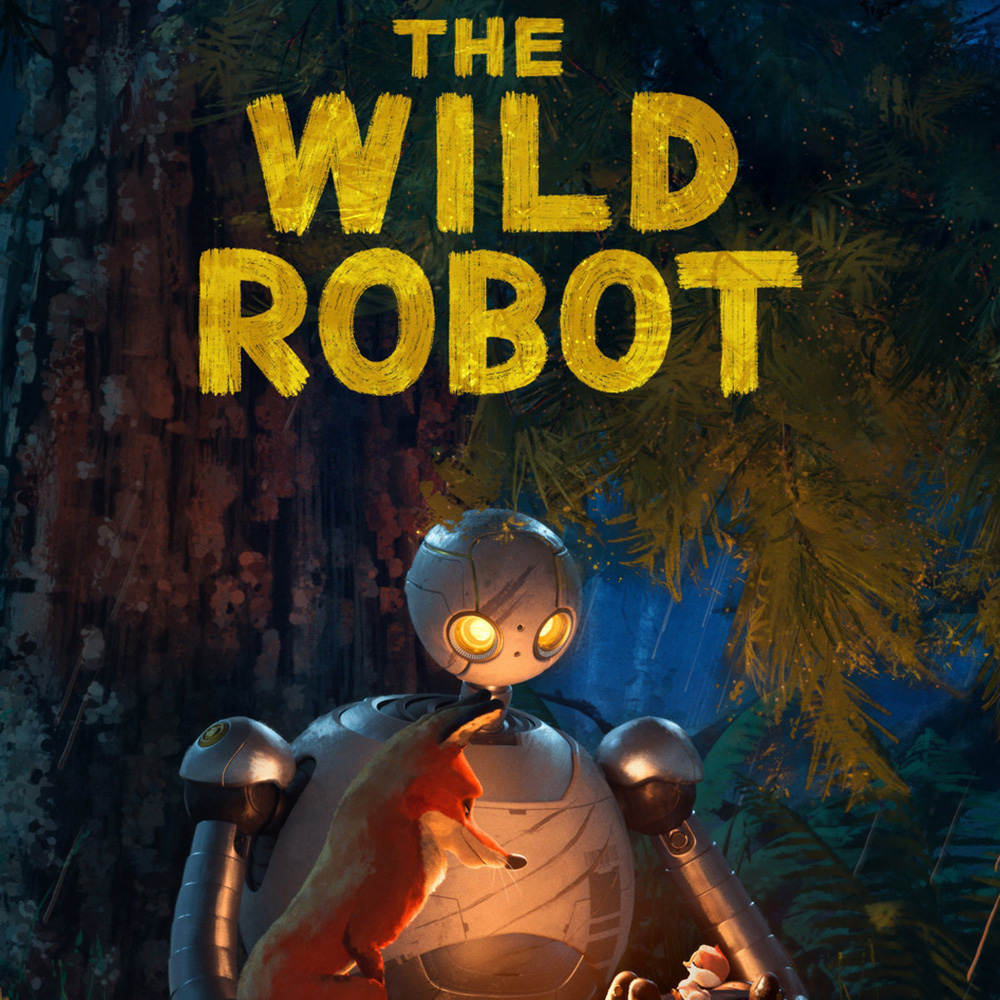
The Wild Robot
Chris Sanders
#22

Good One
India Donaldson
#21
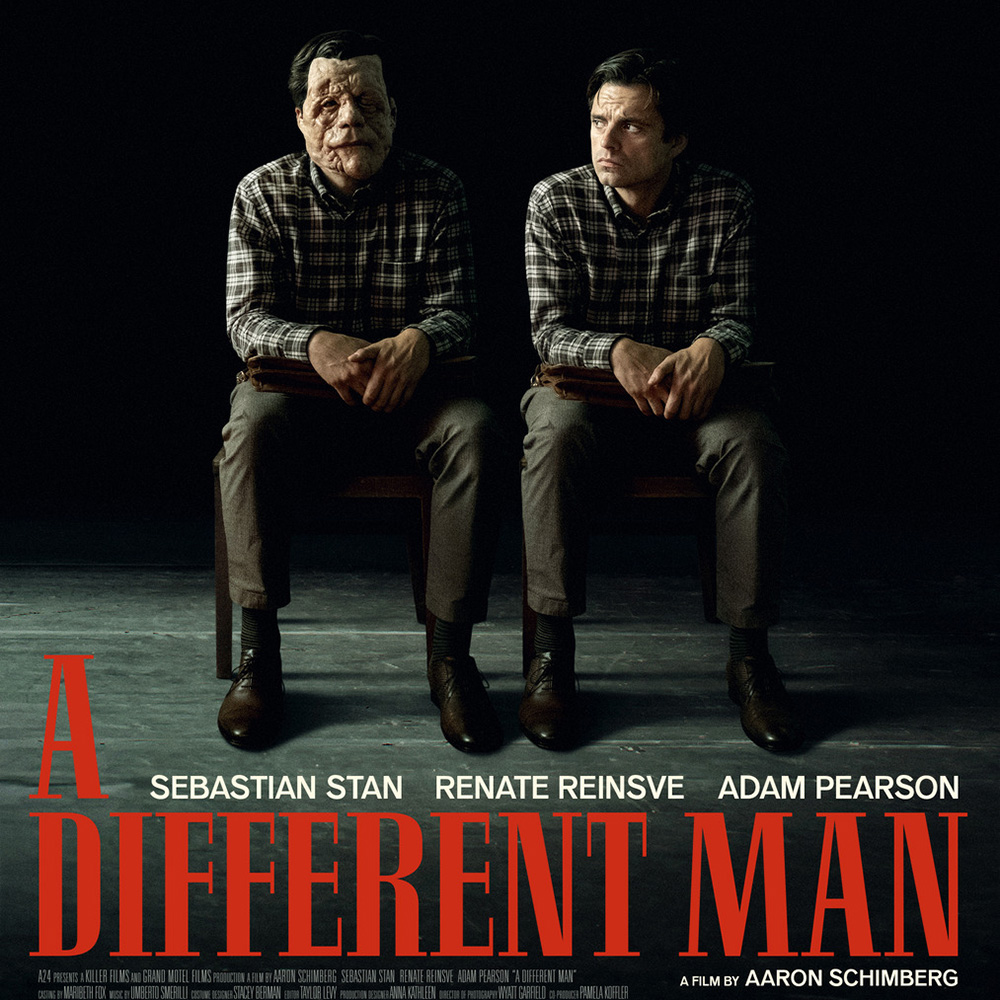
A Different Man
Aaron Schimberg
#20

Polvo serán
[They Will Be Dust]
Carlos Marques-Marcet
#19

Civil War
Alex Garland
#18

The King Tide
Christian Sparkes
#17
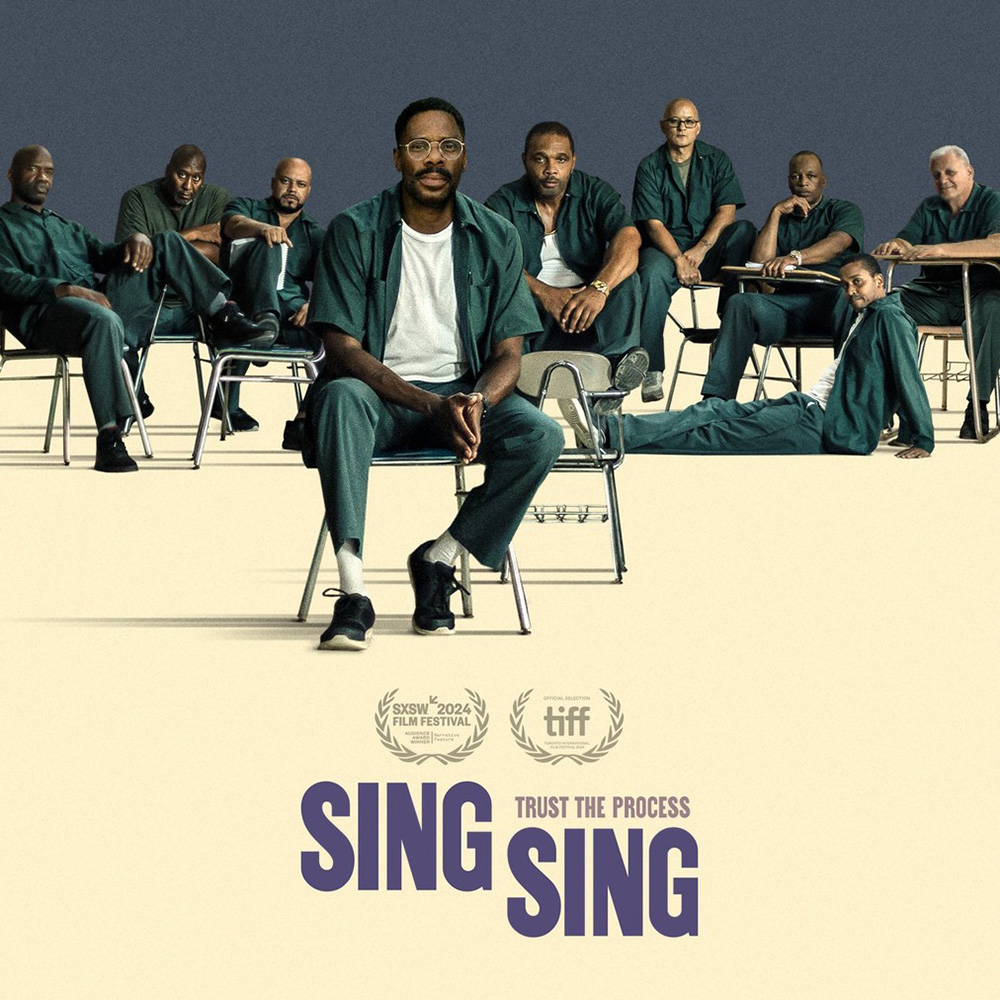
Sing Sing
Greg Kwedar
#16

Saturday Night
Jason Reitman
#15

A Real Pain
Jesse Eisenberg
#14
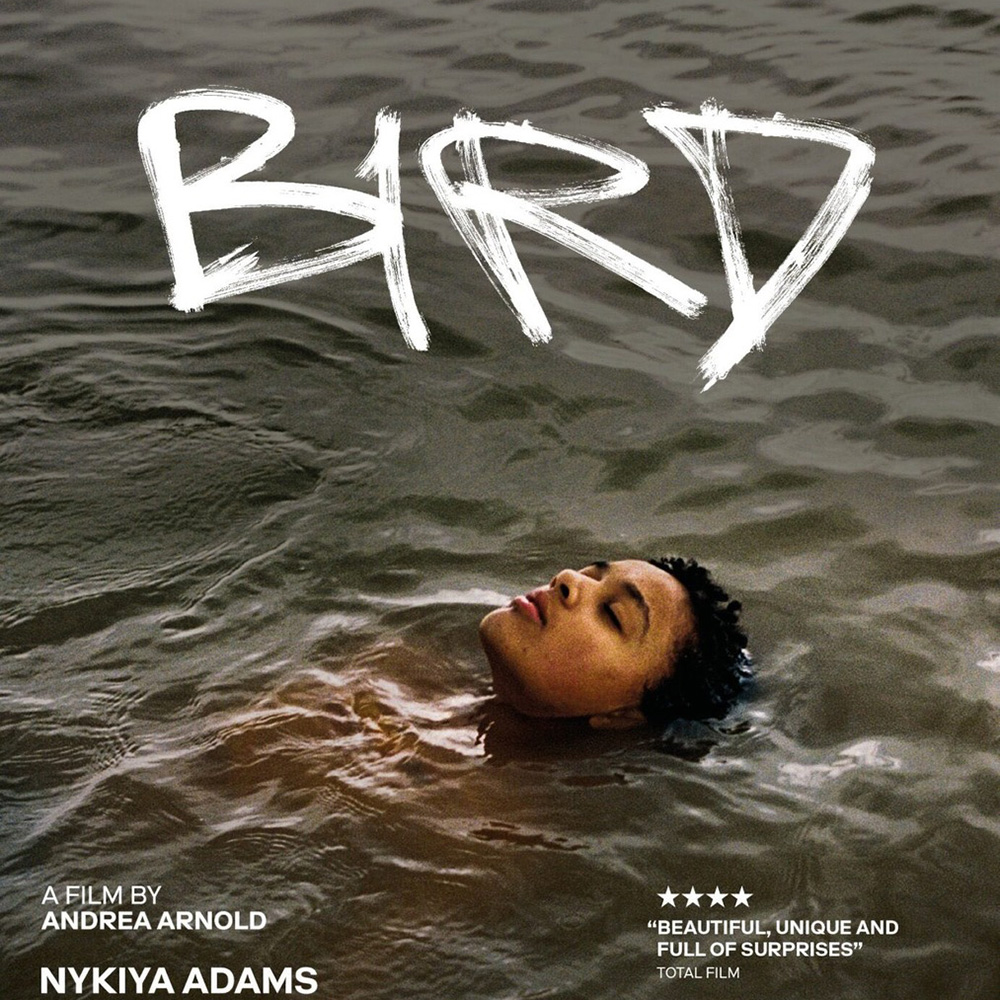
Bird
Andrea Arnold
#13

His Three Daughters
Azazel Jacobs
#12
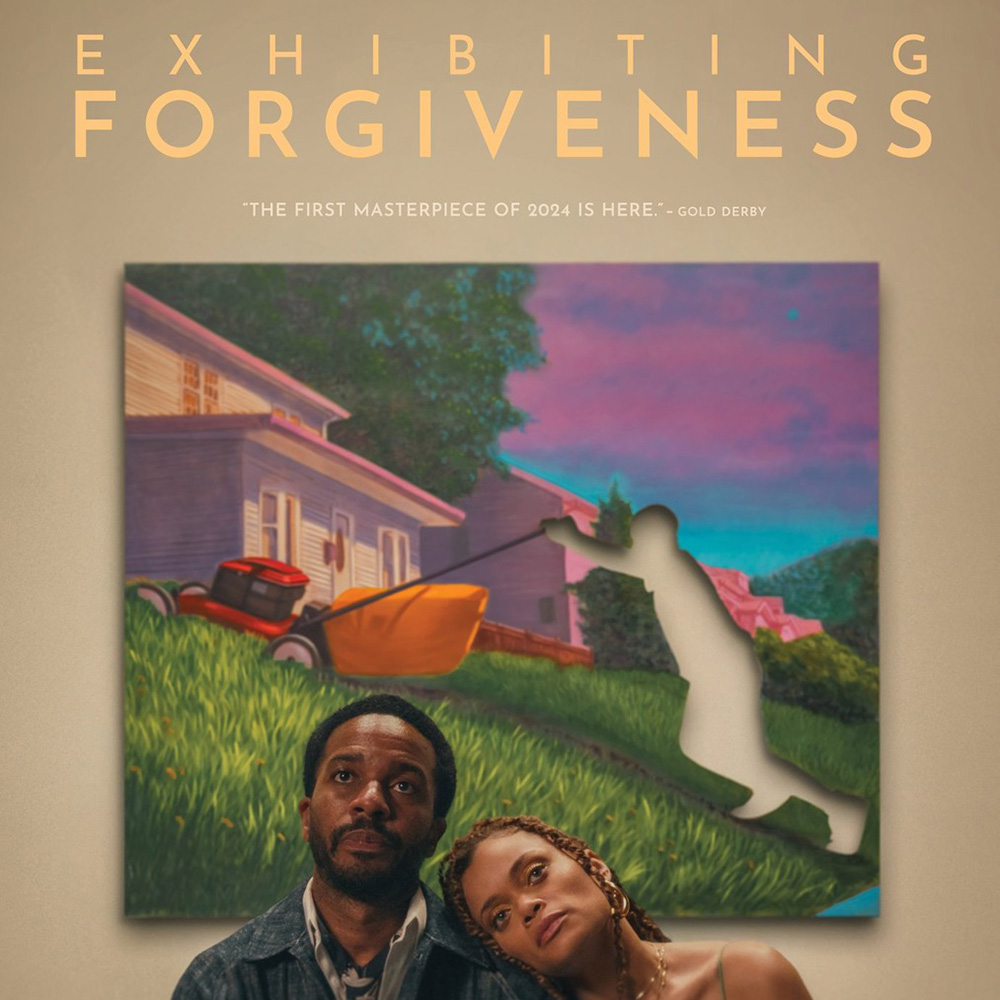
Exhibiting Forgiveness
Titus Kaphar
#11

Widow Clicquot
Thomas Napper
Top Ten:
#10 – September 5 (Tim Fehlbaum)

On the surface, Tim Fehlbaum’s September 5 is a stirring look at a dark day. He places us into ABC’s control room at the 1972 Munich Olympics to show how the sports team transferred their skill at capturing live athletes to documenting a real-time tragedy. It’s an inspirational feat of ingenuity by men and women operating under impossible circumstances to change broadcast journalism forever. Dig a bit deeper into its mostly apolitical process thriller, however, and you witness the empathy necessary to do so correctly. These are people balancing the desire to “get the shot” with the decency to acknowledge that doing so comes with a unique responsibility. To know what’s happened since with for-profit editorializing, social media influencers, and partisan hacks is to nostalgically look back on a time when flawed professionals learned from their mistakes instead of searching for ways to exploit the result.


#09 – Rebel Ridge (Jeremy Saulnier)

First Blood for Generation Z, Jeremy Saulnier’s Rebel Ridge delivers a perfect mix of action and suspense against a backdrop painted with the political and economical struggles our country currently faces. It leans on our preconceptions and prejudices to create a scenario that’s just as much about following the law as it is breaking it depending on which side of the power dynamic is doing which. With a fantastic lead performance by Aaron Pierre as an aggrieved veteran with back against the wall opposite a corrupt and confident police chief in Don Johnson, the only way the former has to knock the latter down, while also working to dismantle his operation of terror and abuse from the inside, is by going through. He’s the last person you want to see regardless of the weapon in your hand. Even less so upon acknowledging justice is on his side.
#08 – Crossing (Levan Akin)

It’s no mistake that Lia describes her quest to find her trans niece as the need to fulfill her late sister’s dying wish. Writer/director Levan Akin is purposefully revealing that, regardless of love also proving a motivating factor, the catalyst is obligation. Where was Lia’s sense of duty for Tekla when her father ran her out of town? How about when she was forced to leave Georgia and settle in Istanbul? It was overwhelmed by ignorance and fear. Crossing is thus a journey towards acceptance for Lia, humanity for the vibrant Turkish trans community, and education for audiences. Because it’s through on-screen interactions between Mzia Arabuli, Lucas Kankava, and Deniz Dumanli that we witness the unjust struggle and wealth of empathy of a people who deserve dignity. Lia might be too late to rectify her mistake, but maybe someone watching still has time to fix theirs.
#07 – Nickel Boys (RaMell Ross)

It’s not enough to watch humanity’s heinous crimes when being an external presence allows us to remove ourselves from the pain. Those viewers then lament how tragic it was that unconscionable acts were committed on marginalized groups (specifically the Black community here) despite those acts still occurring today with those same people often actively engaged in their proliferation. No, really understanding means stepping into the victims’ shoes. That’s what RaMell Ross provides through the first-person storytelling of his and co-writer Joslyn Barnes’ adaptation of Colson Whitehead’s Nickel Boys: the chance to live through Elwood Curtis’ eyes. To have the promise of a bright future ripped away by a country that still refuses to see him as being worthy of humanity. To feel the choice between losing your identity to the struggle or dying for holding on. It’s a cinematic magic trick that ensures its potent message leaves a mark.
#06 – لا أرض أخرى [No Other Land] (Yuval Abraham, Basel Adra, Hamdan Ballal & Rachel Szor)

Despite the horrors shown throughout No Other Land (all prior to October 7th, 2023), it’s the Israeli bulldozers calmly retreating post-demolitions that I cannot shake. Beyond the secret document proving that “converting” Palestinian villages like Masafer Yatta into army training grounds was to drive inhabitants out or an Israeli courtroom—devoid of jurisdiction as illegal settlers—ruling to reject Arab permit requests while evicting families with roots going back almost two centuries, all that’s necessary to understand the terrorism at play are those trucks blindly destroying private property before rolling away. Because it’s not about these occupiers “needing the land” or “enforcing the law.” It’s about control. About laughing at Israeli Yuval Abraham and Palestinian Basel Adra knowing their only recourse is creating devastatingly crucial documents like this. So, prove it’s enough by watching, absorbing, and refusing to remain silent (once a distributor finds the courage to let you).
#05 – Ghostlight (Kelly O’Sullivan & Alex Thompson)

An old school construction worker who’s never even heard of “Romeo & Juliet” let alone knows its themes, Keith Kupferer’s Dan cannot fathom how love could ever lead someone as young as its leads to embrace death. It’s that struggle towards understanding in his own mirrored life that’s currently threatening to tear his family apart. His inability to hold onto empathy rather than rage. Only upon inadvertently stumbling into therapy via the performing arts while actively avoiding it in practice via a staunch refusal to share his feelings with anyone—including the wife and daughter suffering from the same pain—does he begin realizing the true complexity of love. Kupferer and family’s (Tara Mallen and daughter Katherine) lived-in performances paired with Oscar-nominee Dolly De Leon help Kelly O’Sullivan and Alex Thompson’s emotionally heavy Ghostlight pierce our hearts with its devastating, funny, and honest catharsis.
#04 – Anora (Sean Baker)

Cinderella isn’t the one hiding her true identity in Sean Baker’s Anora. She’s Prince Charming. Because despite stereotypes and bigotry, Mikey Madison’s sex-worker Ani has absolutely nothing to hide and true love in her heart—enough to risk working with those trying to dissolve her marriage just so she can prove them wrong. Maybe that’s naïve, but you cannot fault her attempt since the alternative is too much to bear. Not only would it shatter this dream, it would also strip away her agency and force her to feel exactly like the reductive labels they’ve hung around her neck. So, she fights tooth and nail, attacking (often hilariously so) with words and limbs to ensure they won’t steal her self-worth. It’s a mesmerizing performance of ferocious intent hiding a vulnerable center that culminates in a complex final scene of relief, confusion, and, finally, anguished release.

#03 – Der Spatz im Kamin [The Sparrow in the Chimney] (Ramon Zürcher)

A haunted house tale by way of human drama rather than supernatural horror, Ramon Zürcher’s exquisitely drawn The Sparrow in the Chimney focuses on our yearning to escape past trauma. Overflowing with metaphors and metamorphoses, the film uses its lead (Maren Eggert’s heartbreaking Karen) as a mirror onto the cruelty she endured in youth and its complex, tortured origins. With stunning flights of darkly surreal fantasy set to an infectious bass line, we experience her silent struggle to show love when the crippling fear of her own children suffering the same fate ensures she fosters their hatred of her instead. Its incisively harsh yet poignant cleansing of familial demons by fire captures the rejuvenating power of letting go.
#02 – The Brutalist (Brady Corbet)

Welcome to the American Dream. A land of opportunity for some, destroyer of genius for others. Rather than shine a mirror onto the present of what this country has become, director Brady Corbet and co-writer Mona Fastvold use The Brutalist to expose it for what it’s always been. One corner holds the rich WASPs peering down with superiority despite lacking the fortitude to earn it—depraved leeches filled with resentment and jealousy towards those who possess what money cannot buy. In the other stands the huddled masses yearning—survivors of mankind’s worst atrocities made to feel less than by those exploiting, corrupting, and killing them with a smile. The latter “will find a way.” The former “suffered too.” It’s no wonder it’s the legacy of the oppressed that endures after an oppressor’s attempt to erase them. Because what remains at the end isn’t Van Buren’s hubristic vision. It’s László Tóth’s soul.
#01 – I Saw the TV Glow (Jane Schoenbrun)

People often wonder if their lives are dreams. It’s a reasonable escape valve when struggling with the impossibility of existence because it means this is the ideal. The problem, however, is that one person’s dream is inherently another’s nightmare. It is their prison and they must wake up—even if the fear of opening their eyes sometimes proves greater than keeping them closed. Yes, Jane Schoenbrun’s I Saw the TV Glow is intrinsically a trans story told by a trans artist, but their cautionary tale of identity speaks to all unwitting outcasts caught beneath the crippling weight of societal, cultural, and emotional oppression. Rather than a promise of rebirth by embracing your true self, the world threatens death. You must therefore trust that your memories aren’t colored by nostalgia. That your desires aren’t wrong. That you didn’t just “grow up.” So, stop just narrating your conformity and live. There is still time.

 jaredmobarak.com
Leave a comment