

Rating: R | Runtime: 107 minutes
Release Date: February 25th, 1994 (Denmark)
Studio: All Right Film Distribution / Anchor Bay Entertainment
Director(s): Ole Bornedal
Writer(s): Ole Bornedal
Have you ever tried getting killed?
Just turned twenty-four and trying to pay his law school tuition without asking his parents for help, Martin (Nikolaj Coster-Waldau) decides to take a job as the night watchman at The Department of Forensic Medicine in Copenhagen. It’s supposed to be a cakewalk. Do his rounds. Study at his desk. Try to wake up in time for class. Sure, the person he’s replacing—a cryptic Gyrd Løfquist teasing that there’s an interesting reason he quit without ever explaining—makes it seem scarier than it probably is, but that doesn’t mean it’s not also scary. Dead bodies, unlikely alarms, and an infestation of moths keep Martin on edge.
A cult classic from 1994, Ole Bornedal’s Nightwatch earned a Hollywood remake three years later starring Ewan McGregor that Bornedal also directed. And now, thirty years later, it’s inexplicably been given a sequel too (subtitled Demons Are Forever). It’s not a surprise that audiences enjoyed this horror thriller with its twists and turns en route to uncovering the identity of a serial killer. Besides the mystery itself—could the killer be Martin’s best friend Jens (Kim Bodnia) or, perhaps, Martin himself in a fugue state where fantasy bleeds into reality—is a healthy dose of humor courtesy of a central game of dare.
The rules: Don’t say “No.” Jens dares Martin with the game itself by promising a wild, no-holds-barred adventure wherein neither can decline a challenge. And since law school already has their money, the prize is “freedom.” If Martin neglects to fulfill a challenge, he must marry Kalinka (Sofie Gråbøl). If Jens fails, he must propose to Lotte (Lotte Andersen). What begins as macho attempts to stand-up to bullies at a bar (despite knowing they wouldn’t win a fight) moves to the realm of sex (cheating on their would-be fiancées with Rikke Louise Andersson’s teenage prostitute Joyce) and, soon, personal actions intentionally meant to risk their respective relationships.
Why do we suspect Jens is the killer? Because he takes the game a little too seriously. He sneaks into the hospital to frighten Martin, starts harassing Joyce (the murder victims are all sex workers), and makes it difficult to give him the benefit of the doubt. Why Martin? Because his paranoia starts to get the better of him—making an enemy of the head doctor. Thankfully, the lead detective on the case (Ulf Pilgaard) thinks he’s harmless … not that that thinking does Jens any favors once evidence starts to look damning. Maybe these two idiots have simply gotten too close and thus set themselves up to be framed by the real criminal.
While mostly vibes at the start, there’s definitely an escalation in gore as the plot progresses to provide details about the killings. Eventually we must see the aftermath of one of these “scalpings” for ourselves before witnessing a murder first-hand too. It’s still the 90s, though, with a modest budget at that. Bornedal does well to save his funds for a final act that starts to piece together the truth (it’s all pretty much in the open for you to guess) and pit heroes against villains for a showdown that risks a surprisingly heavy body count. And you get to see Coster-Waldau and Bodnia having fun decades before “Game of Thrones” and “Killing Eve”.
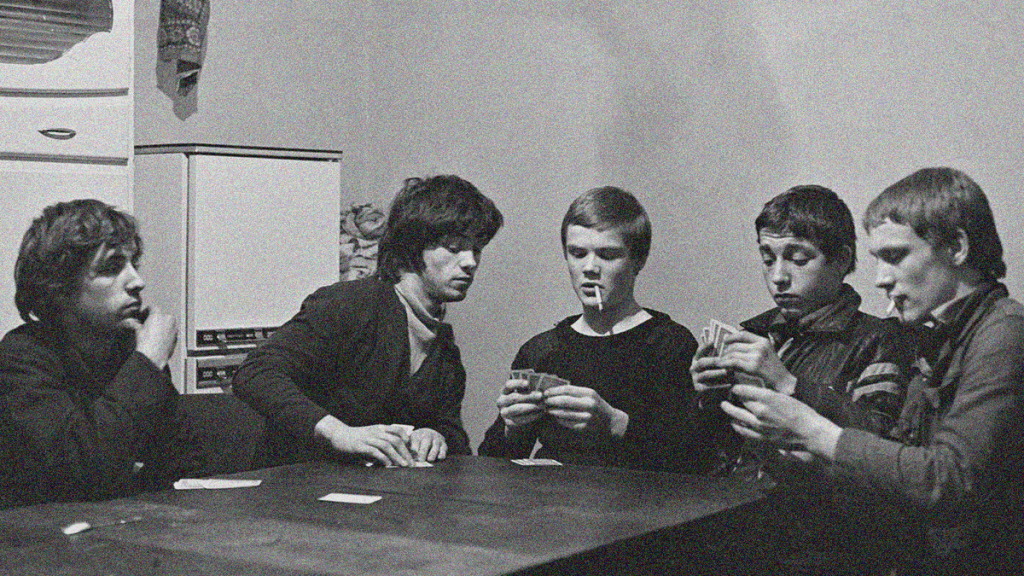
Kim Bodnia and Nikolaj Coster-Waldau in NIGHTWATCH.



 jaredmobarak.com
Leave a comment