
Rating: NR | Runtime: 76 minutes
Release Date: April 11th, 2023 (USA)
Studio: MVD Entertainment Group
Director(s): Samuel Tressler IV
Writer(s): Wesley Pastorfield & Samuel Tressler IV
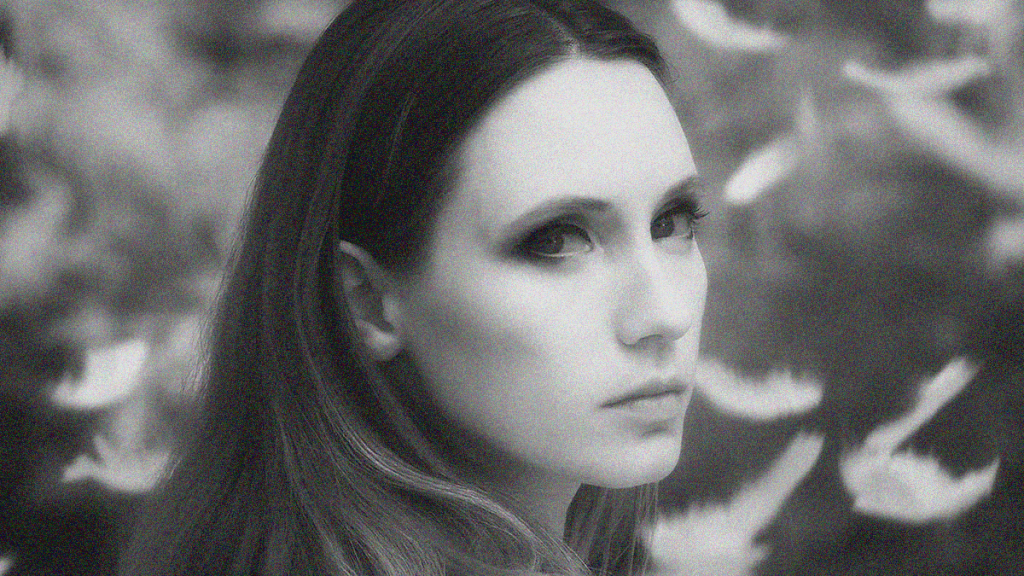
Depicted in countless works of art, Leda and the Swan find their way to cinema via writer/director Samuel Tressler IV and painter Wesley Pastorfield. Leda is a short (75-minutes) black and white visual poem without dialogue that follows the titular character (Adeline Thery) as her mind gets lost to the past (the love and death of her parents) and present (a wedding, pregnancy, and murder) while dealing with the psychological and emotional turmoil caused by impending motherhood.
Björn Magnusson’s score and Nick Midwig gorgeous cinematography become the backbone upon which this Greek myth of eroticism and rape projects its modern (although period specific) sense of distress. Images of eggs floating in the forest and decomposing animals deliver a nightmarish contrast as visual beauty unearths the violent grotesquery beneath.
Mileage will obviously vary as the slow pacing paired with zero words makes for a trying experience to those with short attention spans. Even I struggled at times despite finding the whole consistently engaging as it moves between childhood, grief, love, and despair. Knowing the origins of the tale will surely help in processing what occurs on-screen, but it’s not necessarily crucial insofar as understanding the gist of things.
Once the screen flickers turn swan to man, you can get a sense of the mental detachment from reality that ensues for Leda—awakening on the forest floor without knowing how she got there thanks to dreams calling her into the night. Whether the swan is Zeus or her husband or a stranger becomes irrelevant since the crime itself remains unforgivable regardless of the perpetrator’s identity (if a crime is committed since the whole could be construed as being about pregnancy in general too).
It’s definitely not the sort of thing you’d want to walk into blind off the street, but those already interested in Greek mythology and poetically abstract films should at least appreciate the effort if not the whole package. There are some truly memorable moments (leaves/feathers “falling” upward as Leda stares into the camera) and an unforgettably dark climax turning to color as the cries of a baby can be heard in the distance that make any lulls seem a distant memory of our own as a result.
Thery bares her soul with an ever-present wealth of anguish, desperately seeking to find an internal balance with which her situation simply can’t comply. The supporting cast is effective too in bit parts on the fringes, each giving context to Leda’s mindset rather than building characters all their own. It’s an experimental art piece giving voice to trauma that demands the viewer’s participation to fully succeed.
Adeline Thery in LEDA; courtesy of MVD Entertainment Group.




 jaredmobarak.com
Leave a comment