
Rating: R | Runtime: 119 minutes
Release Date: November 14th, 2022 (Cambodia) / December 2nd, 2022 (USA)
Studio: Les Films du Losange / Sony Pictures Classics
Director(s): Davy Chou
Writer(s): Davy Chou
I could cut you out of my life with a snap of my fingers.
Freddie (Park Ji-min) had no thought to find her biological parents upon arriving in South Korea. She had no inclination towards visiting her birth country at all. It was fate in a way—her two weeks of vacation, desperation to escape France, and cancellation of all flights to her original destination of Tokyo merging to place her exactly where the anger, confusion, and desire a twenty-five-year-old possesses would prove most volatile.
So, she visits the country’s giant adoption complex and agrees to let them send telegrams to her biological parents in the hopes of receiving a response. What she uncovers isn’t quite what she imagined, though. And her rebellious nature takes control.
Davy Chou’s Return to Seoul is an emotional piece spanning multiple years and visits to allow petulance, hindsight, and maturity to color each vignette differently. There’s a sense of entitlement and rage boiling over during that initial trip. Maybe it stems from frustration with her adoptive parents. Maybe it’s simply a product of feeling lost and confused as a Korean-born, French-raised woman.
She unsurprisingly rejects the more traditional culture presented in Korea, refusing to even consider that she should perhaps try to understand them since she is the stranger. But they’re to blame for that, right? Why should she compromise herself to cater to their guilt and regret?
The answer is simple in theory (politeness), but complex in action. Yes, Freddie sets this chain of events in motion by contacting the adoption agency, but how it plays out is totally outside her control. So, of course, she seeks to change that dynamic. She’s more than happy to sabotage everything as long as it grants her the power of superiority.
They sent her away. They abandoned her. Now she gets to call the shots. She gets to punish them. While justified, however, it’s also counterproductive towards her goals. Freddie must therefore reinvent herself again and again to earn that control in other ways. To learn Korean, live and work in Korea, and consciously choose to leave it behind (or not).
It’s a stunning performance from newcomer Park. She’s moving between youthful pleasure, jaded anarchy, zero tolerance abstinence, and multiple career paths that put her in proximity to being better than her origins despite always maintaining a seemingly insurmountable distance from living a life she wants for herself as opposed to one built as a “fuck you” to the past.
We move fast through her ever-changing phases from student to polyamorous globetrotter to weapons dealer, always resenting her biological father’s (Oh Kwang-rok) self-pitying nature in doing too much to be in her life while praying that her biological mother will provide answers despite never responding. That’s life, though. Needing what we can’t have while disavowing what we do.
In the end Freddie becomes an abandoner too. Chou passes no judgment, though. She should be able to live her life as she pleases. But the choices she makes have consequences just like the ones her parents made did. This journey is less about forgiveness or hate than it is acceptance. Acceptance for her past, present, and future as well as the role she plays in all three no matter what externally unfair hand she might have been dealt.
Is Freddie Korean? French? Both? Is she an opportunist, drunk, vegetarian, or abuser? All the above? People change. People evolve. The question is whether you’re willing to stick around and be vulnerable enough to see what emerges next. Some cocoons are a lot more daunting to construct than others.
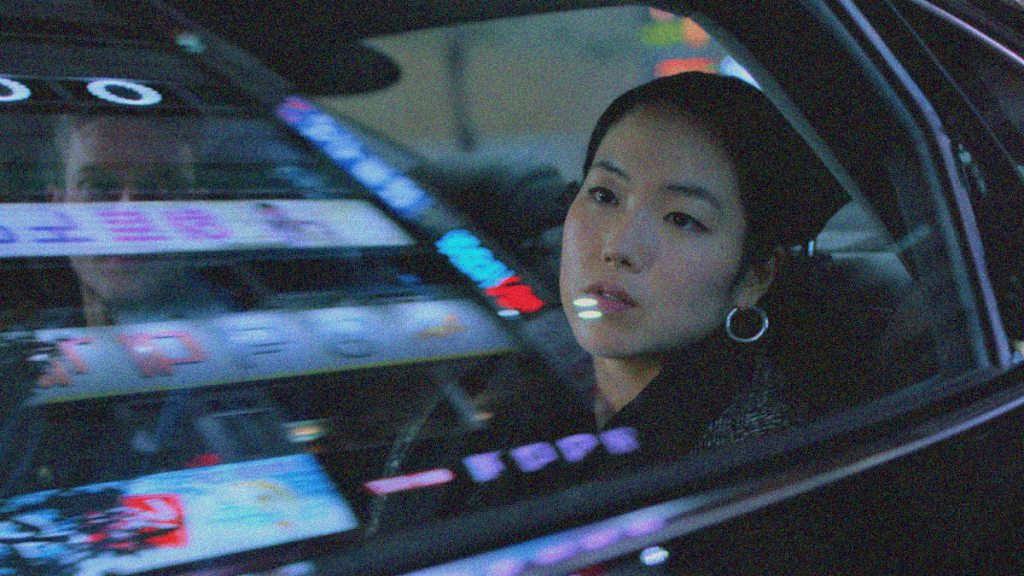
Park Ji-Min as Freddie in RETURN TO SEOUL. Photo credit: Thomas Favel. © Aurora Films / VANDERTASTIC / FRAKAS PRODUCTIONS / 2022. Courtesy of Pictures Classics.




 jaredmobarak.com
Leave a comment