
Rating: NR | Runtime: 106 minutes
Release Date: March 24th, 2010 (France) / November 19th, 2010 (USA)
Studio: Wild Bunch Distribution / IFC Films
Director(s): Claire Denis
Writer(s): Claire Denis and Marie N’Diaye
Because of people like you, this country is filthy.
There is definitely something about director Claire Denis. Something great. I only experienced my first Denis last year with 35 Shots of Rum, but there’s no doubt she’s a cinematic force after seeing White Material. The pacing, sumptuous and mesmerizing score, lingering camera on expressive faces, and frames bobbing up and down with a sense of being in the action while the action itself proves subtle and deliberate. There are definite stylistic comparisons and I’d be surprised if her earlier work doesn’t contain the same feel too.
Denis has an eye for the beautifully tragic, a deft handle on her actors’ performances, and the ability to say a lot with a little. We don’t know why the African town White Material inhabits is at civil war or why the army and rebels have decided anyone caught in the crossfire isn’t worth a second glance or compassionate reprieve. This is a land in turmoil as hungry, misguided children fight trained militia. The world is crumbling and, as a result, the Vial family have become strangers in their own home.
Vial Café has been a working plantation for a generation, passed down from the ailing Henri (Michel Subor) to his son André (Christopher Lambert) and former daughter-in-law Maria (Isabelle Huppert). It is all Maria knows. It is her life and no amount of threats or danger from the warring sides will make her leave. The French army yells that they are evacuating and that she will be left all alone. Her workers and foremen have quit, speeding away on motorbikes to keep a safe distance from the ‘white material’ that’s fallen completely out of favor. And her husband has inquired with the local government (William Nadylam’s Mayor Chérif) about selling the land despite it being worthless without the current harvest.
Friends in town warn Maria to leave, afraid their own security won’t protect them from the rebel contingent. André’s new wife and son, both Black, know what’s coming and gain distance from the plantation. It becomes only stubbornness and blind faith that keep the Vials rooted. A fearless pride taking over where intelligent acceptance of their status in Africa should be.
We’re shown glimpses of what’s to come when the film opens. Maria is stranded and afraid as she gets on a bus going in the direction of her home. The Boxer (Isaach De Bankolé), a man in charge of the rebel forces is dead in bed, uncocked gun in-hand. And a bald, tattooed white male is shirtless and coughing in a building on fire that fills with smoke as soldier shuts the door to trap him in.
It’s quite the influx of information in an insanely short amount of time to set-up intrigue and captivate before we go back in time to see why Maria got on the bus in the first place. Memories of The Boxer taking refuge on the plantation (his uncle a regular visitor and friend to the Vials). Glimpses of Maria training new hires to harvest and wash the coffee while her husband’s new son watches the people in the house turn towards the dark side of insanity. And the horrific visage of two boys with machetes, trespassing and threatening to send Manuel (Nicolas Duvauchelle)—Maria and André’s son together—into the afterlife.
There is darkness in Africa that’s causing anyone without a gun to fear for their life. Citizens of all colors are terrorized, listening to updates about what is happening from a radio DJ facilitating his own politics. Roadblocks are created by men who were once known in the community—ex-teachers and neighborhood boys turning to the gun and threatening death for 100-dollar bills to cross. But it’s a fickle attitude. There’s no real strength of character to these kids as they’ll force payment one-way yet prove unbothered upon the travelers’ return as they sit with a bottle of alcohol at the side of the road.
The army has its hands tied, unable to really show authority when kids ignoring it rule the streets. When they get to town, however, they are vicious in their cleanup. They stop buses, kick down fences, and slit throats. There’s no reason the Vials should still be there. Even Chérif tells Maria in flashback that Manuel might have been born and raised on the land, but that land doesn’t appear to want him.
Not only do the Vials have to fear outside forces, they must also take into consideration their own flesh and blood too. Lambert holds his shifty grin as he hides secrets from his ex-wife. Subor acts as though he’s above heinous activity while taking baths and walking the land as if he owns the country. And Duvauchelle changes from distant and lazy to psychotic and unpredictable once he experiences his own brush with mortality. Fate is therefore a huge factor in this story as hubris is repaid with blood.
The tension builds as the guerrilla warfare progresses closer to the plantation. Word comes out that The Boxer is hiding there and both sides converge to create a shocking ending in its brutality and its characters’ capacity to kill. It culminates into a pair of unforgettable sequences that stick. Close-up examples of rage and sorrow transposed onto the actor you assume would feel the opposite. The tension swells to a crescendo only to be released with a cut to black, leaving you with the chaos and forcing you to accept its bleak outcome devoid of hope.

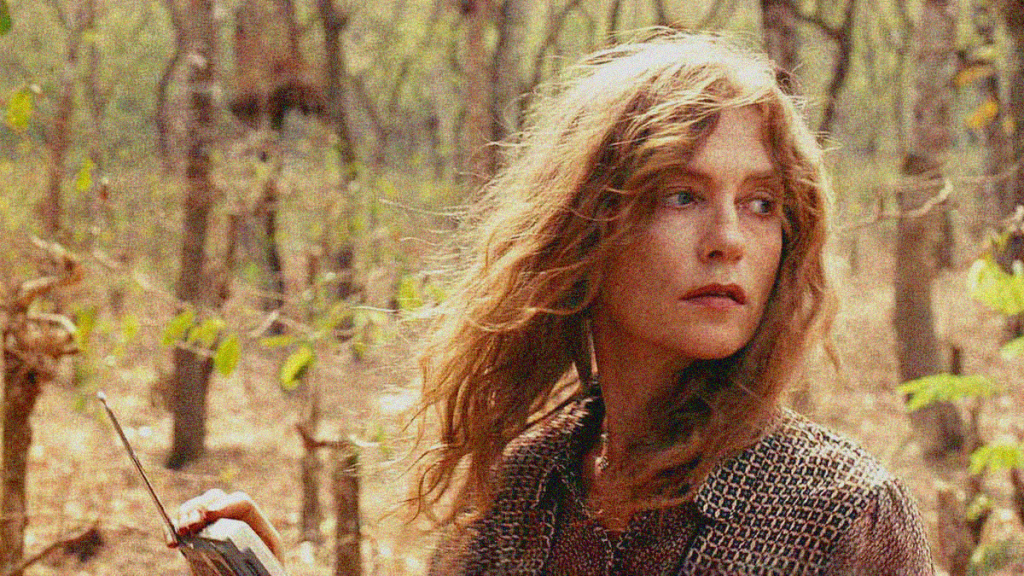
Isabelle Huppert stars as Maria Vial in IFC Films’ WHITE MATERIAL.


 jaredmobarak.com
Leave a comment